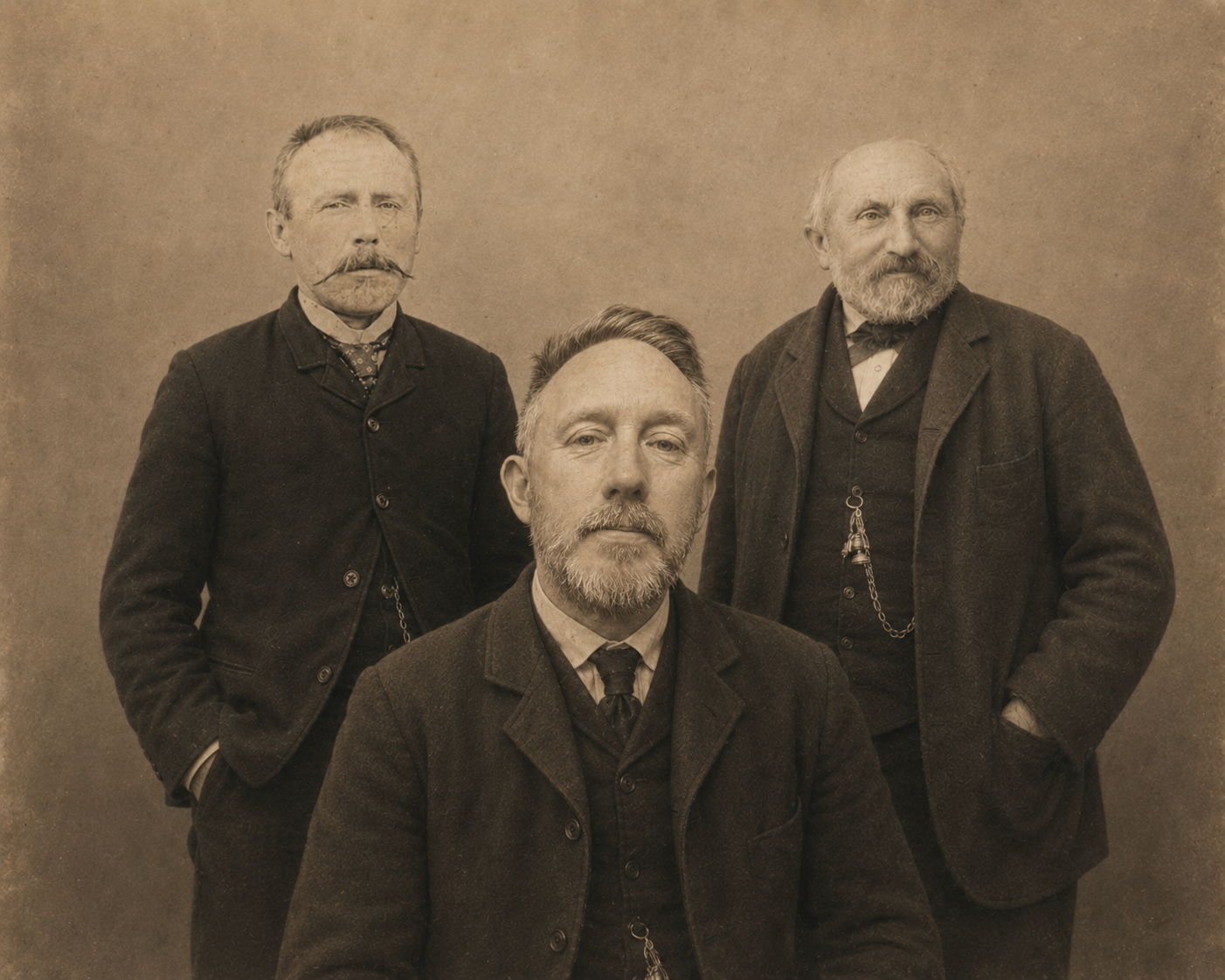
Luke's Family History
A Journey from Lübeck, Manila, Norfolk, Chester, County Louth and Cornwall to Australia
Compiled by Luke Rohde, 2026 Tree ID 210776031 on Ancestry.com.au — Updated with document research
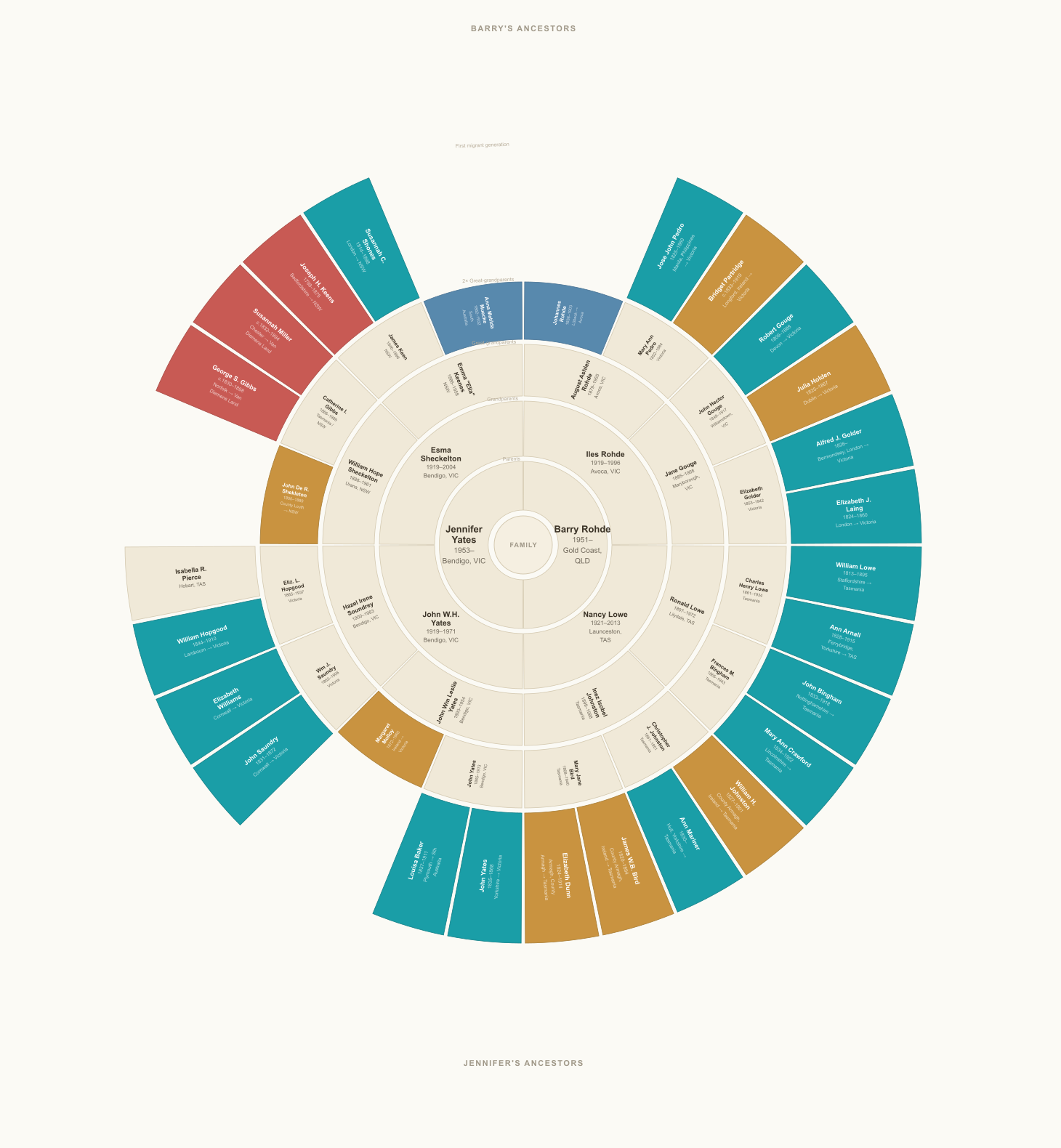
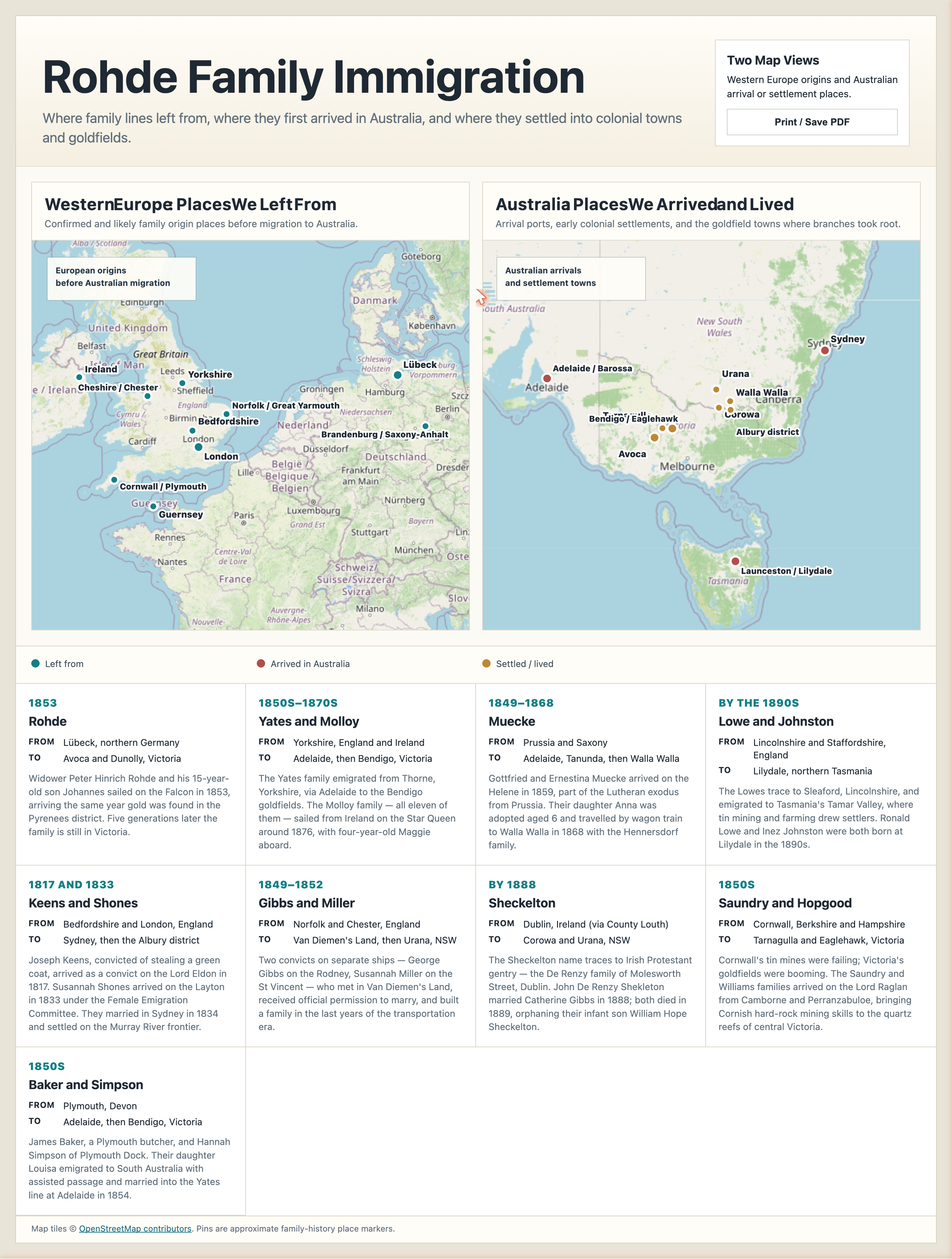
Infographics
Chapters
- Introduction
- Part I — Barry's Side
- Chapter 1: The Rohde Line — Lübeck to Victoria
- Chapter 2: The Lowe-Johnston Line — Tasmania
- Part II — Jennifer's Side
- Chapter 3: The Yates Line — Yorkshire to Bendigo
- Chapter 4: The Saundry-Hopgood Line — Cornwall to Victoria
- Chapter 5: The Keens Line — A Convict, a Fire, and a Dynasty
- Chapter 6: The Gibbs-Miller & Shekleton Line — Two Convicts Who Found Each Other
- Appendix: Ships
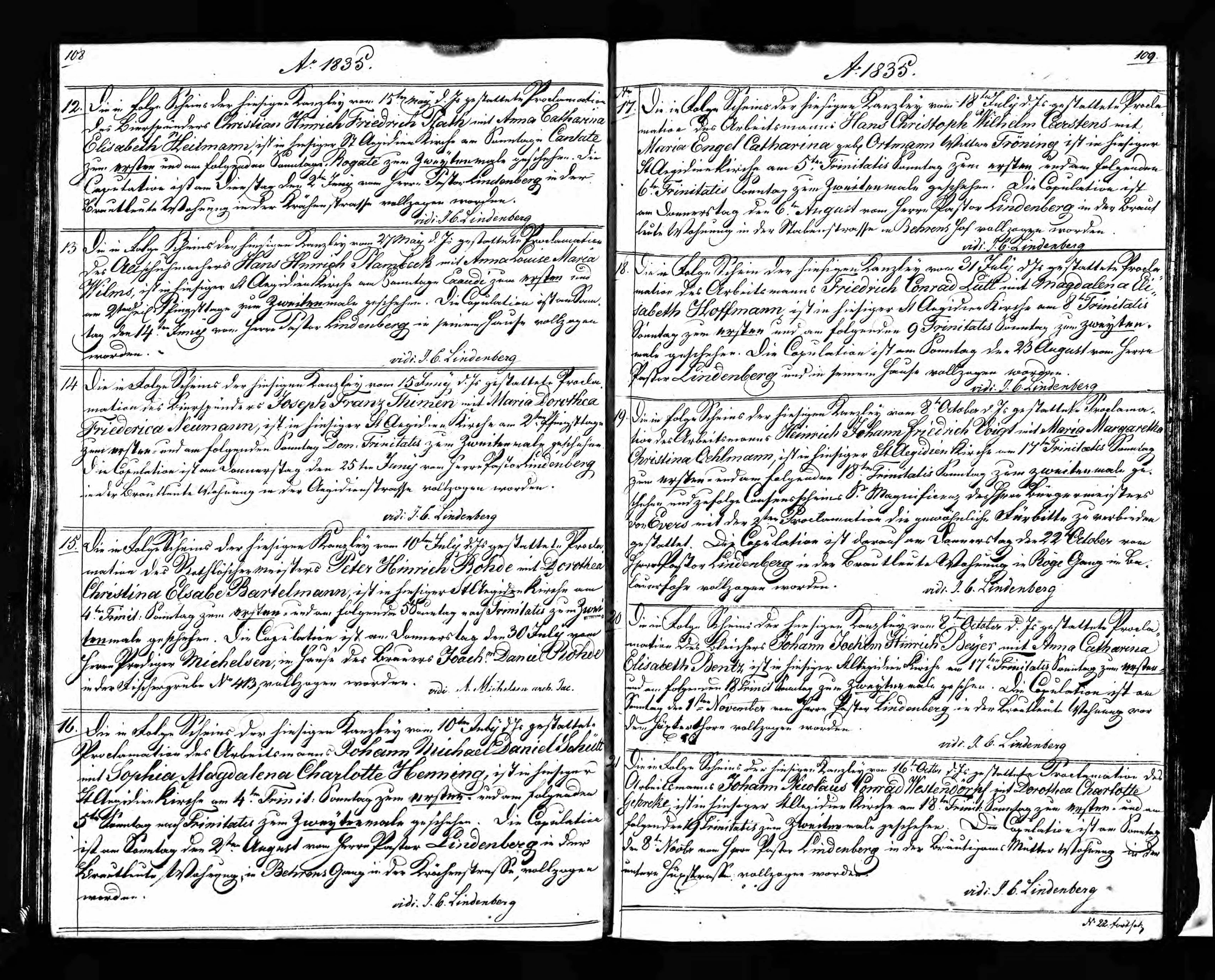
- All Known People
Generational Index
Generation 1 — Parents- Barry Ashlen Rohde (1951–Living) — born Mooroopna, VIC to Iles Bertrol Robert Rohde and Nancy Frances Mary Lowe
- Jennifer Yates (1952–Living) — born Bendigo to John William Henry Yates and Esma May Sheckelton
- Iles Bertrol Robert Rohde (1919–1996) — born 1919 Avoca, VIC to August Ashlen Rohde and Jane Gouge
- Nancy Frances Mary Lowe (1921–2013) — born 1921 Launceston, TAS to Ronald Lowe and Inez Isobel Johnston
- John William Henry Yates (1919–1971) — born 1919 VIC to John William Leslie Yates and Hazel Irene Soundrey
- Esma May Sheckelton (1919–2004) — born 1919 Bendigo, VIC to William Hope Sheckelton and Emma Amelia Keenes
- August Ashlen Rohde (1879–1955) — born 1879 Avoca, VIC to Johannes Rohde and Mary Ann Pedro
- Jane Gouge (1885–1968) — born 1885 VIC to John Hector Gouge and Elizabeth Golder
- Ronald Lowe (1897–1972) — born 1897 Lilydale, TAS to Charles Henry Lowe and Frances Margaret Bingham
- Inez Isobel Johnston (1899–1988) — born 1899 Lilydale, TAS to Christopher John Johnston and Mary Jane Bird
- John William Leslie Yates (1893–1954) — born 1893 Bendigo, VIC to John Yates and Margaret Molloy
- Hazel Irene Soundrey (1900–1983) — born 1900 VIC to William John Saundry/Soundry and Elizabeth Louisa Hopgood
- William Hope Sheckelton (1888–1961) — born 1888 Urana, NSW to John De Renzy Shekleton and Catherine Imilda Gibbs
- Emma Amelia "Ella" Keenes (1886–1958) — born 1886 Wagga Wagga, NSW to James Keen and Anna Matilda Müecke
- Johannes Rohde (1838–1903) — born 1838 Lübeck, Germany to Peter Hinrich Rohde and Dorothea Bartelmann
- Mary Ann Pedro (1851–1881) — born 1851 Campbells Creek, VIC to Jose John Pedro and Bridget Partridge
- John Hector Gouge (1848–1917) — born 1848 Williamstown, VIC to Robert Gouge and Julia Holden
- Elizabeth Golder — born London, England to Alfred J. Golder and Elizabeth J. Laing
- Charles Henry Lowe (1862–1945) — born 1862 Sleaford, Lincolnshire to William Lowe and Ann Arnall
- Frances Margaret Bingham (1872–1910) — born 1872 Port Sorell, TAS to John Bingham and Mary Ann Crawford
- Christopher John Johnston Sr (1861–1951) — born 1861 Launceston, TAS to William H. Johnston and Ann Mariner
- Mary Jane Bird (1868–1940) — born 1868 George Town, TAS to James W.B. Bird and Elizabeth Dunn
- John Yates (1865–1913) — born 1865 Bendigo, VIC to John Yates and Louisa Baker
- Margaret "Maggie" Molloy (1872–1930) — born c.1872 Ireland to Richard Molloy and Bridget Delaney
- William John Saundry/Soundry (1862–1906) — born 1862 Tarnagulla, VIC to John Saundry and Elizabeth Williams
- Elizabeth Louisa Hopgood (1865–1943) — born 1865 Eaglehawk, VIC to William Hopgood and Isabella Rebecca Pierce
- John De Renzy Shekleton (1850–1889) — born 1850 to John Shekleton and Anne Hope Derenzy
- Catherine Imilda Gibbs (1866–1889) — born 1866 Kempton, TAS to George Samuel Gibbs and Susannah Miller
- James Keen (1846–1896) — born 1846 Richlands, NSW to Joseph Henry Keens and Susannah Charlotte Shones
- Anna Matilda Müecke (1862–1932) — born 1862 Tanunda, SA (adopted) to Gottfried Muecke and Ernestina Schulze
- Peter Hinrich Rohde (1811–1864) — born 1811 Lübeck, Germany · Falcon 1853 → Victoria
- Dorothea Bartelmann (1814–1845) — born 1814 Lübeck, Germany · died before migration
- Jose John Pedro (1825–1860) — born 1825 Manila, Philippines → Victoria
- Bridget Partridge (c.1833–1919) — born c.1833 Longford, Ireland · Tippoo Saib 1850 → Victoria
- Robert Gouge (1809–1888) — born 1809 Devon, England → Victoria
- Alfred J. Golder (1826–) — born 1826 England → Victoria
- William Lowe (1813–1895) — born 1813 Lincolnshire → Tasmania
- John Bingham (1833–1918) — born 1833 North Clifton, Nottinghamshire → Tasmania
- John Yates (1835–1868) — born 1835 Thorne, Yorkshire → South Australia → Victoria
- Louisa Baker (1837–1911) — born c.1837 Plymouth, Devon → South Australia
- Richard Molloy (c.1839–) — born c.1839 Ireland · Star Queen c.1876 → Victoria
- Bridget Delaney (c.1840–) — born c.1840 Ireland · Star Queen c.1876 → Victoria
- John Saundry (1831–1872) — born 1831 Camborne, Cornwall · Lord Raglan → Victoria
- Elizabeth Williams (1833–1919) — born 1833 Perranzabuloe, Cornwall · Lord Raglan → Victoria
- William Hopgood (1844–1910) — born 1844 Lambourn, Berkshire → Victoria
- Joseph Henry Keens (1798–1875) — born c.1798 Toddington, Bedfordshire · convict Lord Eldon 1817 → NSW
- Susannah Charlotte Shones (1814–1898) — born 1814 London · Layton 1833 → NSW
- George Samuel Gibbs (c.1830–1898) — born c.1830 Norfolk · convict Rodney → Van Diemen's Land
- Susannah Miller (c.1832–1894) — born c.1832 Chester · convict St Vincent 1850 → Van Diemen's Land
- John Shekleton (1820–1868) — born c.1820 Ireland → Australia
- Anne Hope Derenzy (1817–1900) — born 1817 County Louth, Ireland → Australia
- Gottfried Muecke (c.1795–1871) — born c.1795 Prussia · Helene 1859 → South Australia
- Ernestina Schulze (c.1827–) — born c.1827 Germany · Helene 1859 → South Australia
Introduction
This document traces the family history of Luke Rohde, born 1978 in Australia. The family tree spans eight generations and reaches back to Lübeck in northern Germany (1741), Manila in the Philippines, Norfolk and Chester in England, County Louth in Ireland, and Cornwall — and to the Van Diemen's Land convict settlements of the 1840s and 50s.
Among the discoveries: four transported convicts, two who met and married in Van Diemen's Land; an arsonist; a thief; a Filipino immigrant on the Victorian goldfields; an elopement that neither family attended; a typhoid death at a harvesting camp; a WWI serviceman whose widowed mother begged for his discharge; and a child who travelled by wagon train across New South Wales when she was just six years old.
Part I — Barry's Side
Chapter 1: The Rohde Line — from Lübeck to Victoria
c.1741 – LivingThe Rohde name traces to the free city of Lübeck on the Baltic coast of northern Germany. Lutheran church records confirm the family here from 1741. The Rohdes were Rotlöscher — tanners — and the Eschenburg line through Anna Elsabe Eschenborg traces Lübeck tanner families back to the fifteenth century. Marcus Hinrich Rohde (1741–1806) married Anna Elsabe Eschenborg (1743–1815); their son Johann Peter Rohde (1781–1843) continued the line in Lübeck. By the mid-nineteenth century the city's economy was in decline and political upheaval followed the failed revolutions of 1848. When gold was discovered in central Victoria in the early 1850s, thousands of Germans joined the rush. Peter Hinrich Rohde, recently widowed, was among them.
Peter Hinrich Rohde (1811–1864)
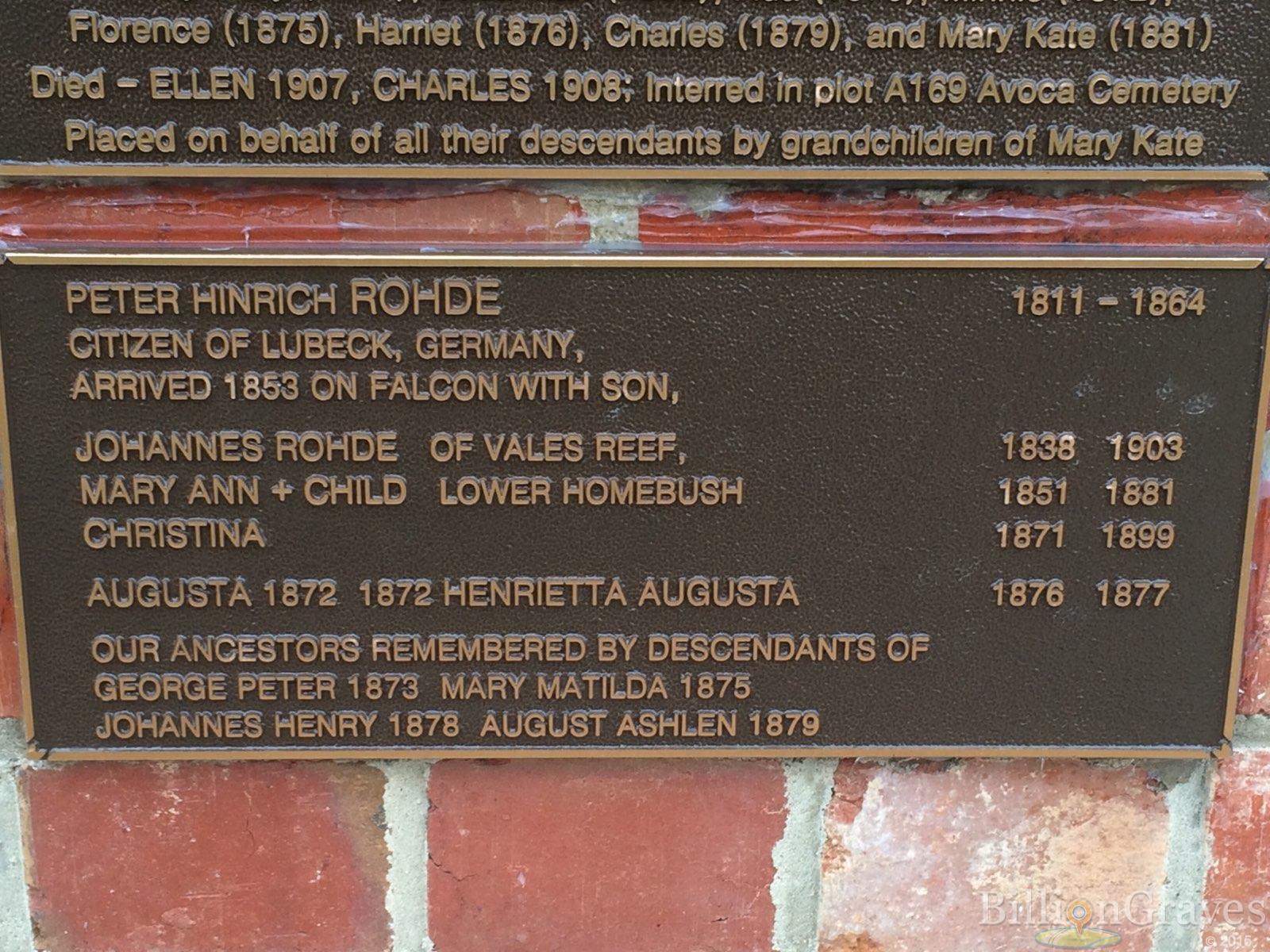
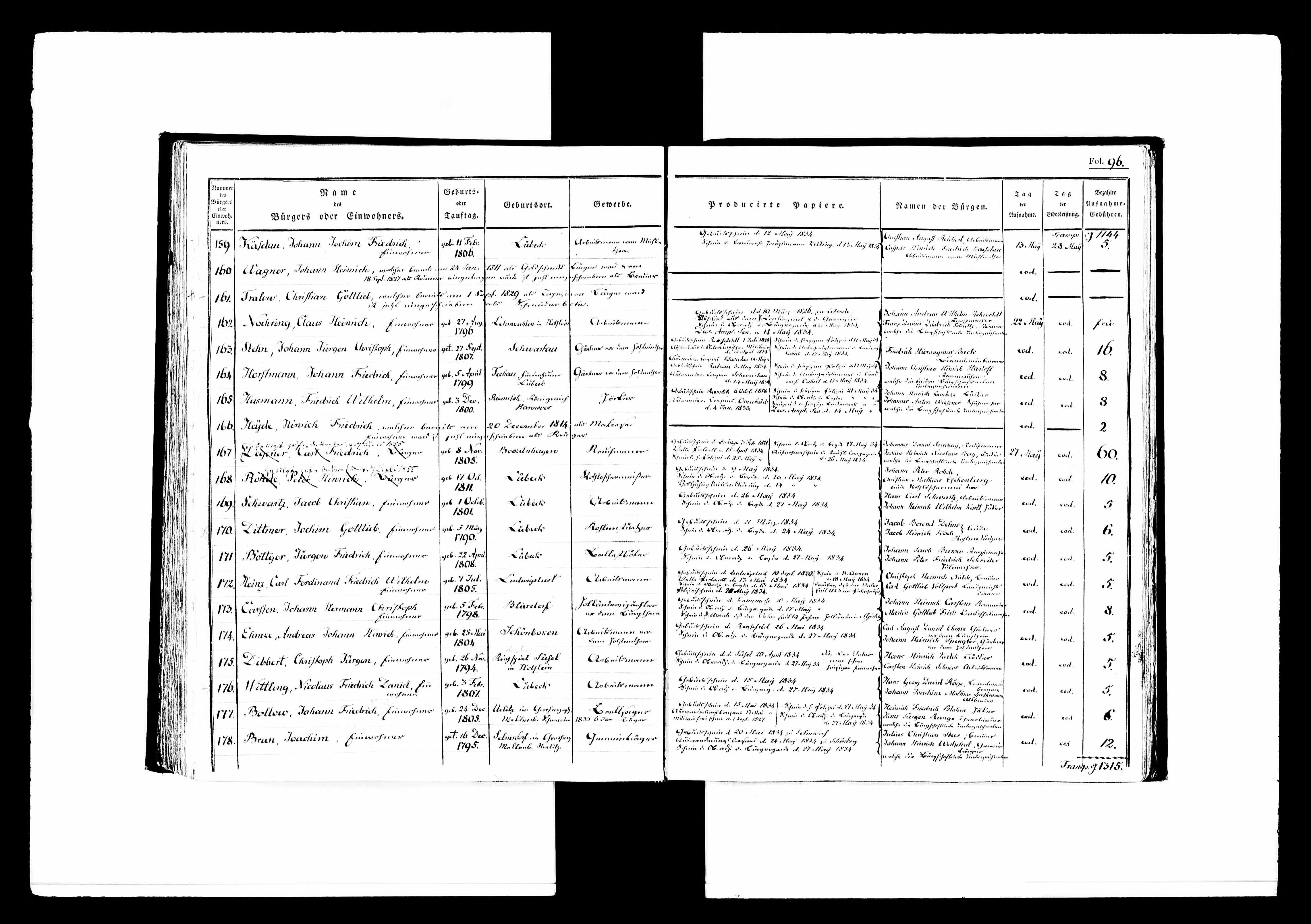
Born 17 October 1811, Lübeck. A Lübeck citizenship register entry confirms his birth. He married Dorothea Christina Elsabe Bartelmann (1814–1845). Dorothea died 21 January 1845 — one day before her 31st birthday — in Lübeck, before the family could emigrate. Her gravestone reads: "Christina Dorothea Rohde geb. Bartelmann, geb. d. 23 Jan. 1814, gest. d. 21 Jan. 1845."
After Dorothea's death, Peter emigrated to Australia on the ship FALCON in 1853, taking his 15-year-old son Johannes with him. He settled at Avoca in central Victoria's goldfields. Avoca sits in the Pyrenees district, where alluvial gold had been found in 1853 — the same year the Falcon arrived. The timing suggests Peter came specifically for the rush. He died 27 December 1864, Avoca.
Johannes Rohde (1838–1903)
Born 28 January 1838, Lübeck. Came to Australia on the Falcon aged 15 with his father. Settled at "Vales Reef" — one of several small reef-mining sites through the Avoca district where men worked quartz veins rather than panning alluvial creeks. Married Mary Ann Pedro (1851–1881) in 1871 at Avoca.
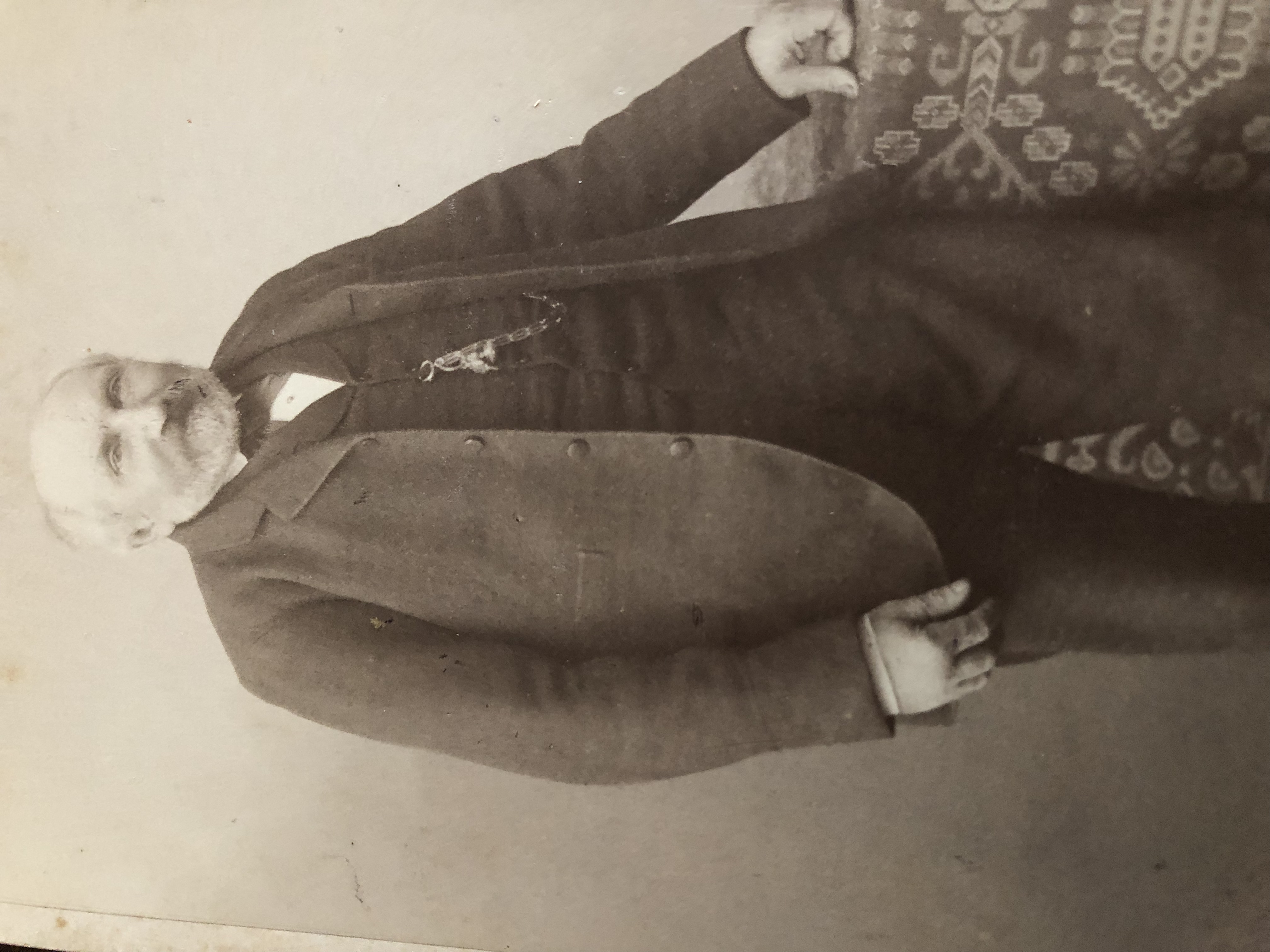
Mary Ann was born at Campbells Creek, a gold-mining settlement near Castlemaine. Her father Jose John Pedro (1825–1860) was born in Manila, Philippines — the 1850s Victorian gold rush drew men from across the maritime world, and Jose died at Avoca aged just 35. Her mother Bridget Partridge (c.1833–1919) was born at Teirlachan, Longford, Ireland, and arrived at Moreton Bay on the Tippoo Saib on 29 July 1850, aged about 17. Her parents Patrick and Mary were deceased. Bridget married John Pedro in Brisbane on 18 May 1851, then after his death married German-born miner August Passow at Avoca in 1861. From Tanning to Panning says Johannes and Mary Ann married at Passow's home at Avoca Lead, and that Bridget helped support the young Rohde family after Mary Ann's death.
Mary Ann died 18 December 1881, aged just 30. Peter Hinrich Rohde's grave plaque includes the notation "Mary Ann + Child, Lower Homebush" — suggesting she may have died in or shortly after childbirth. Johannes died 22 October 1903, Dunolly — another goldfields town about 40 km north-east, where the work had shifted to deeper reef mining.
August Ashlen Rohde (1879–1955)
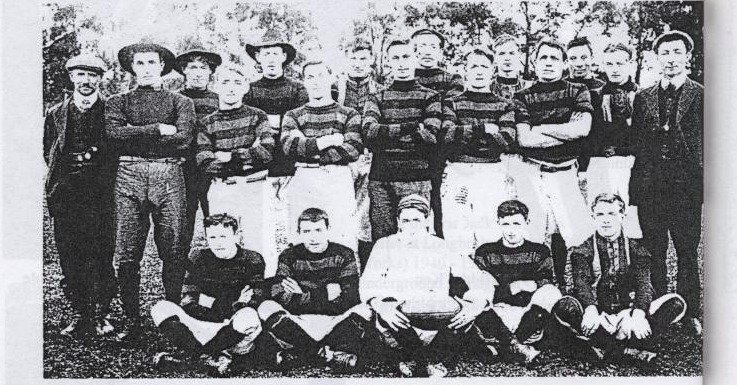
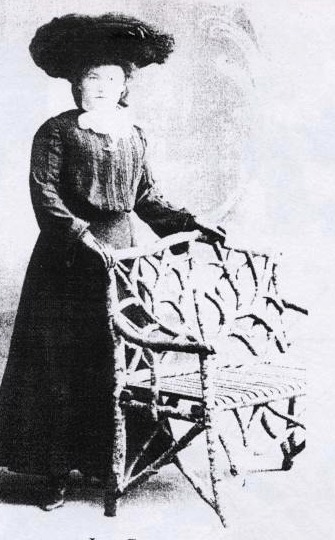
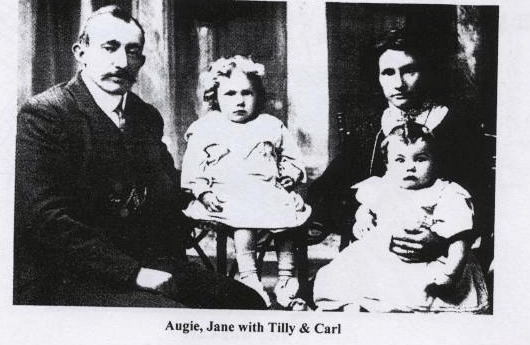
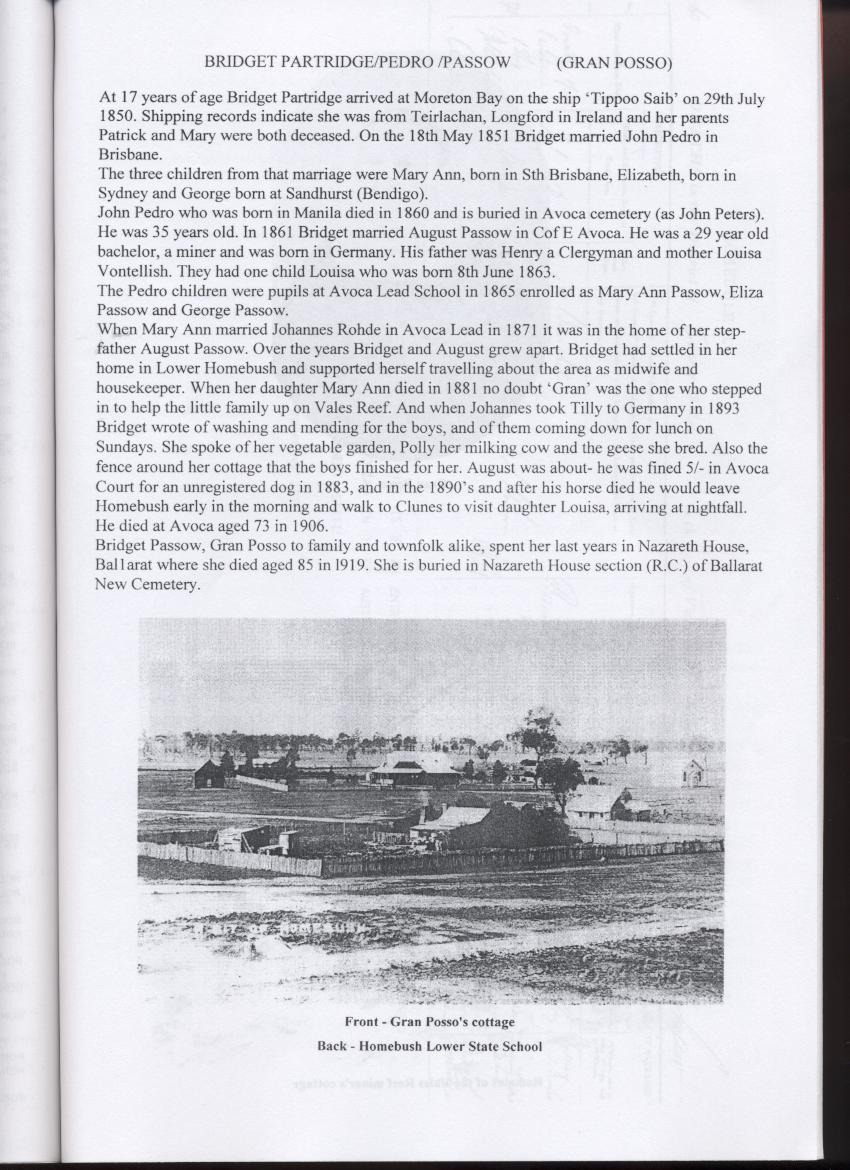
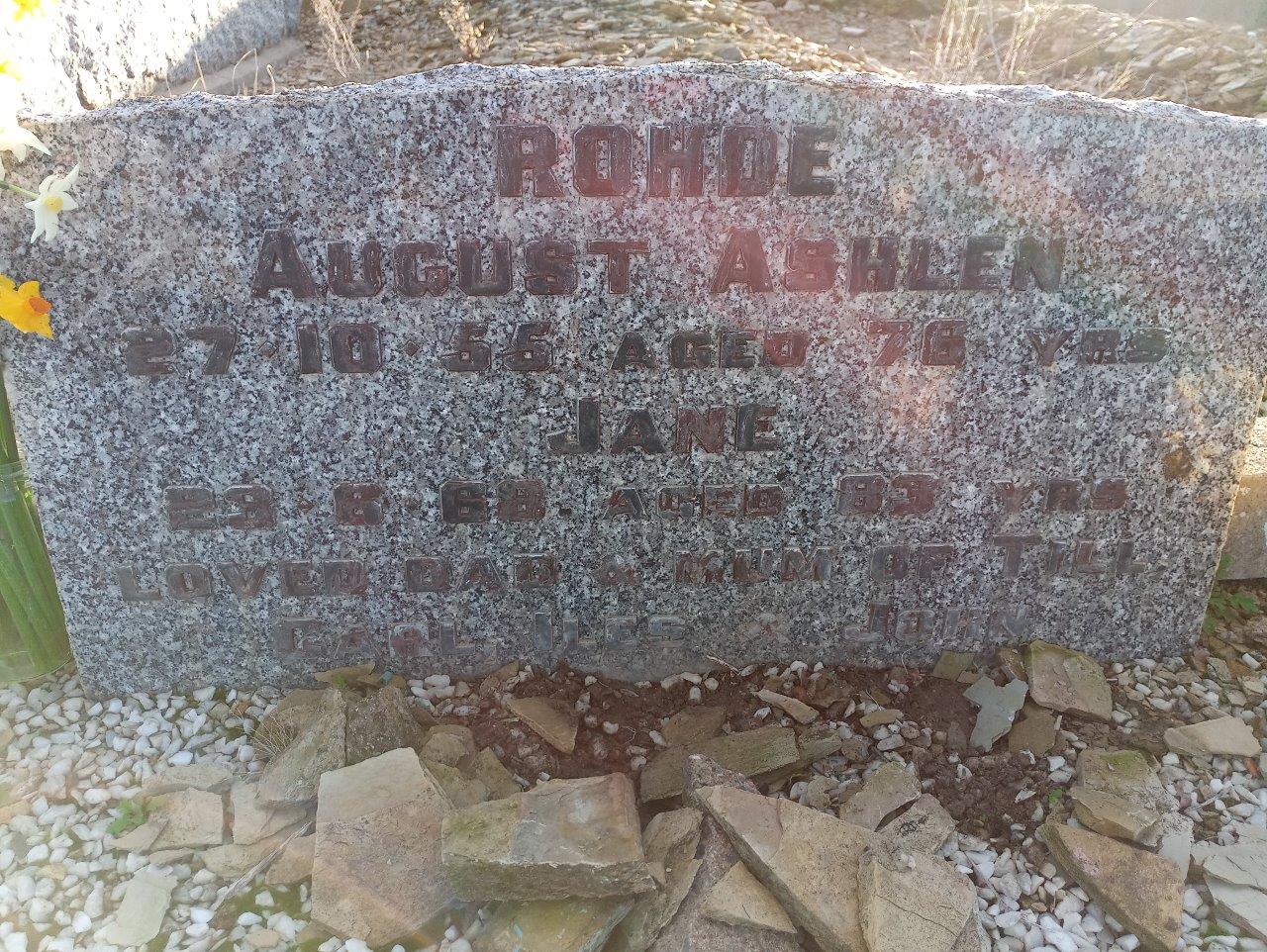
Born 1879 Avoca, Victoria. Son of Johannes Rohde and Mary Ann Pedro. Married Jane Gouge (1885–1968), daughter of John Hector Gouge (born 1848 Williamstown, son of Robert Gouge of Devon and Julia Holden) and Elizabeth Golder (born London, daughter of Alfred J. Golder and Elizabeth J. Laing). It is through Jane's maternal line that the name "Iles" enters the family — Elizabeth Golder's grandmother was Elizabeth Iles (1767–1840), and the surname persisted through generations of marriages until Iles Bertrol Robert Rohde was given it as a first name.
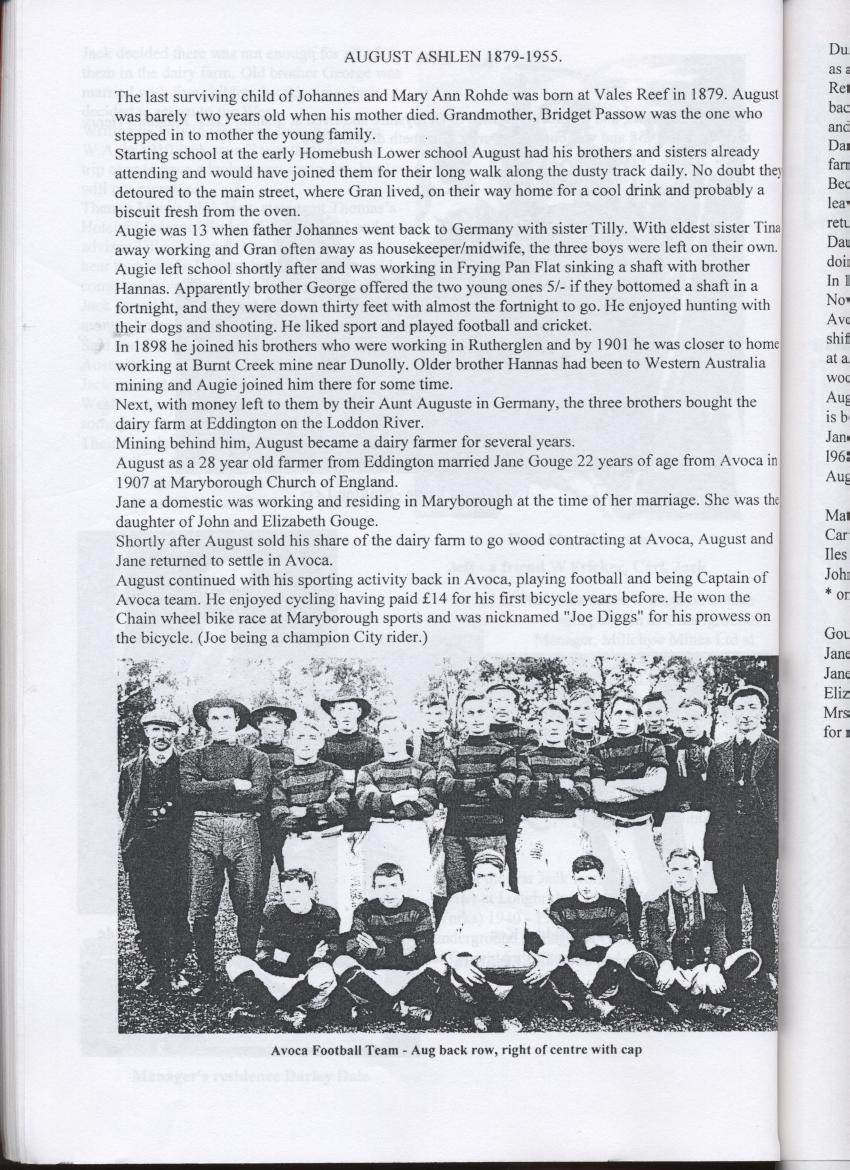
From Tanning to Panning gives August a full working life: a boyhood around Frying Pan Flat and Lower Homebush after Mary Ann died, mining with his brothers, dairy farming at Eddington, wood contracting at Avoca, postman work at Northcote during the First World War, berry farming at Kallista, a mine at Nowhere Creek near Glenpatrick, and finally a Bendigo woodyard with his son Carl. He and Jane married in 1907 at Maryborough Church of England. Their children included Iles Bertrol Robert (1919), Matilda Elizabeth (1909–1947), Carl August (1911), John, and one stillborn child. Matilda married Stan McIndoe and died at Swan Hill aged just 38.August died 27 October 1955, Bendigo.
Iles Bertrol Robert Rohde (1919–1996)
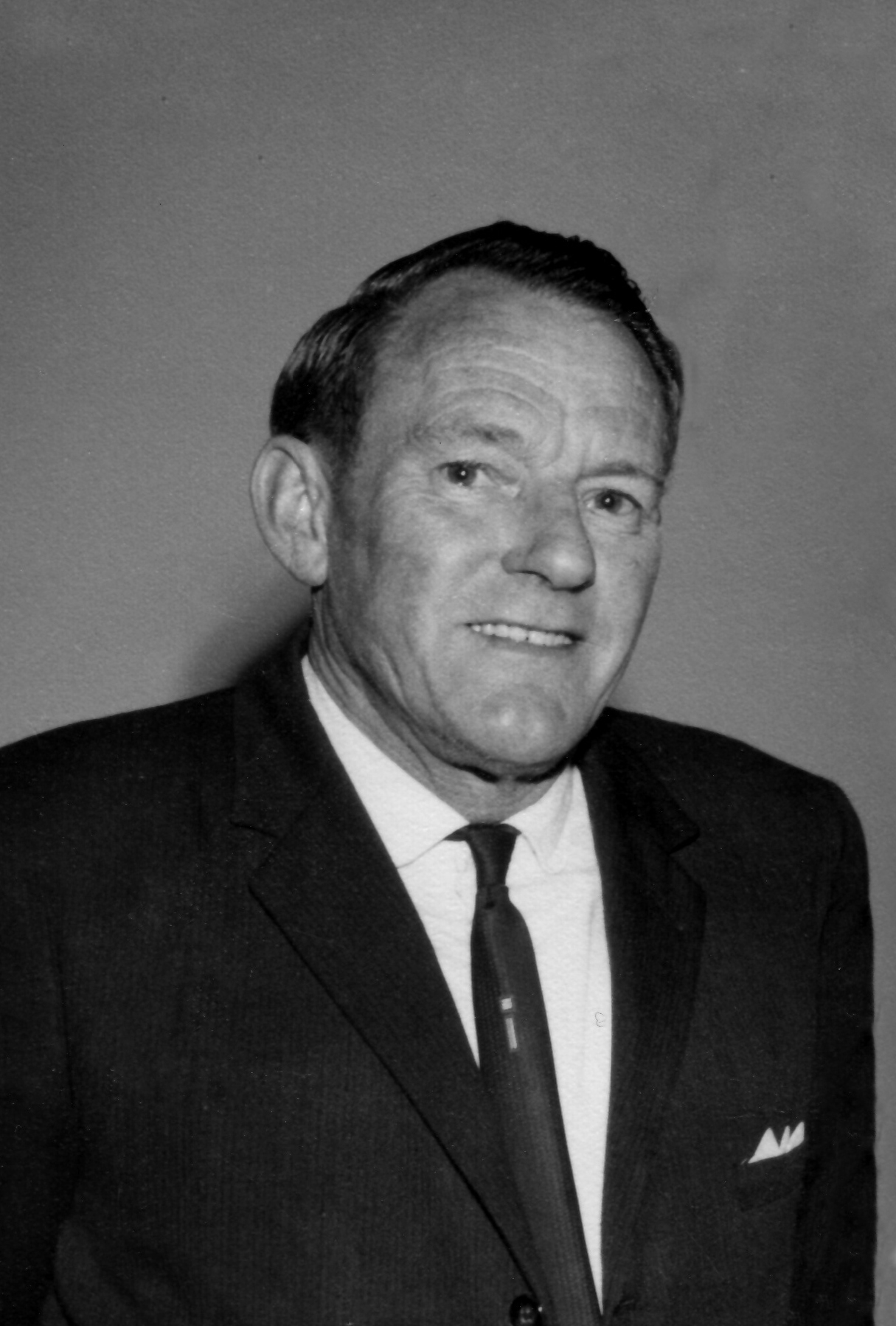
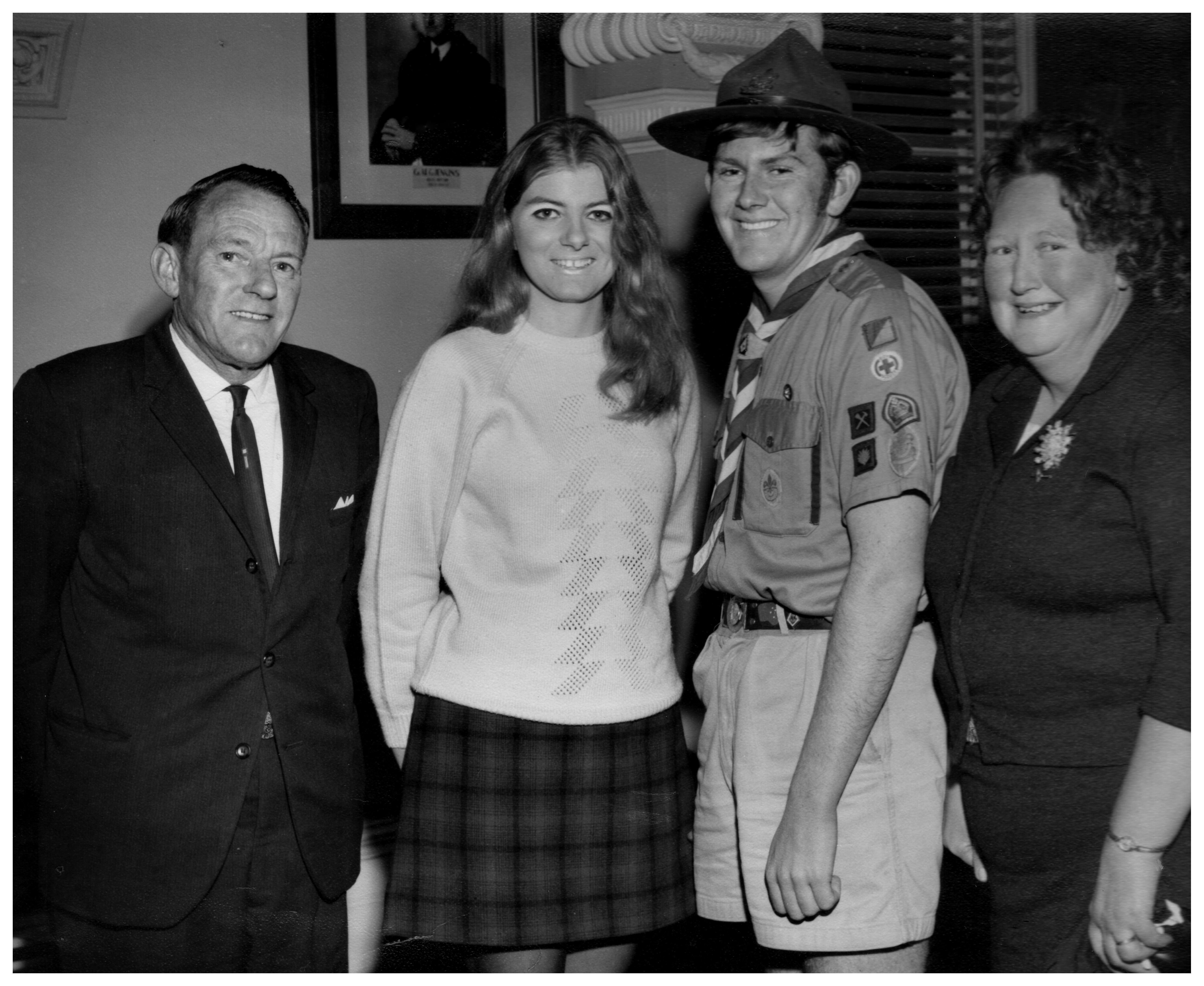
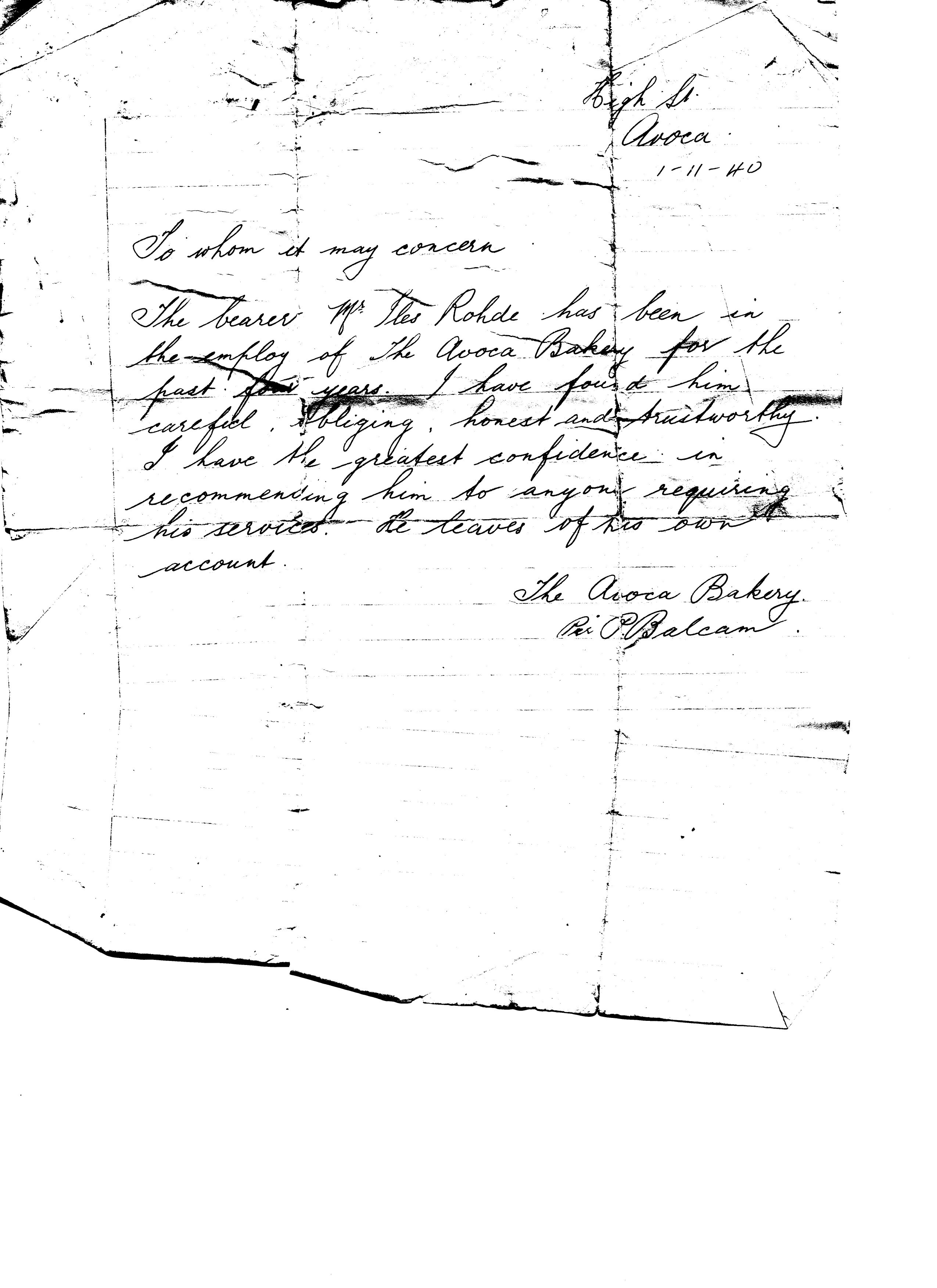
Born 3 November 1919, Avoca. Married Nancy Frances Mary Lowe in 1943 at Balranald, NSW. Bob's 1937 Bread Trade Board indenture places him in bread-making, and a reference from The Avoca Bakery dated 1 November 1940 calls him "careful, obliging, honest and trustworthy."
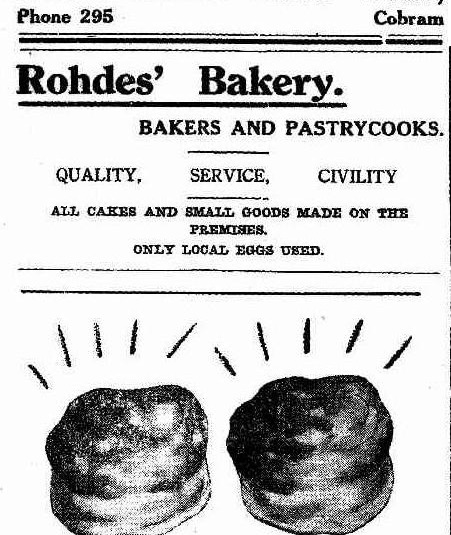
After the war, Bob and Nancy ran Rohdes' Bakery in Berrigan. The Berrigan Advocate shows the bakery operating from at least 1952 to 1958 — "Bakers and Pastrycooks," slogan "Quality, Service, Civility," all cakes made on premises using only local eggs.
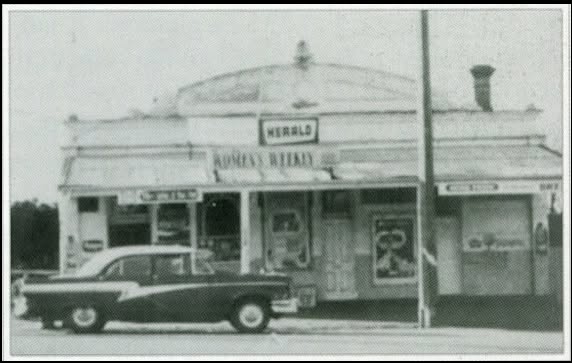
The family's Bendigo phase is vivid. A 2013 Bendigo Advertiser article about the former Johnson's Reef Hotel on Eaglehawk Road, California Gully, says the Rohde family owned it from 1960. Mike Rohde remembered Bob installing an oven in the former barber shop to make pies, running it alongside the mixed business and later newsagency. The building was also the family home: Mike, Barry, Peter and Barbara grew up there, Barry used the cellar for band practice, and Barbara remembered working in the shop with her mother from 1960 until 1981. Bob died 20 September 1996.
Barry Ashlen Rohde (1951–Living)
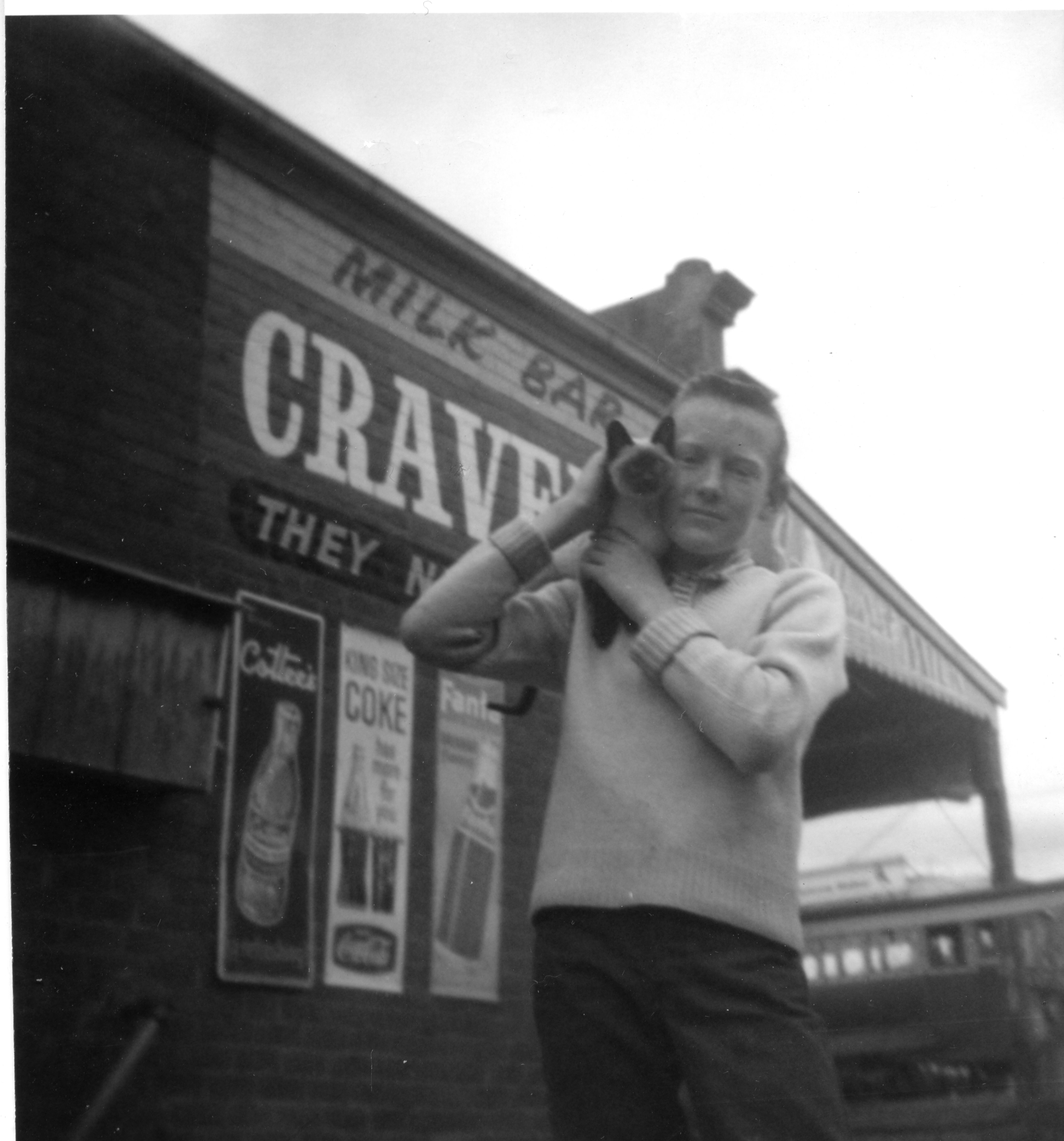
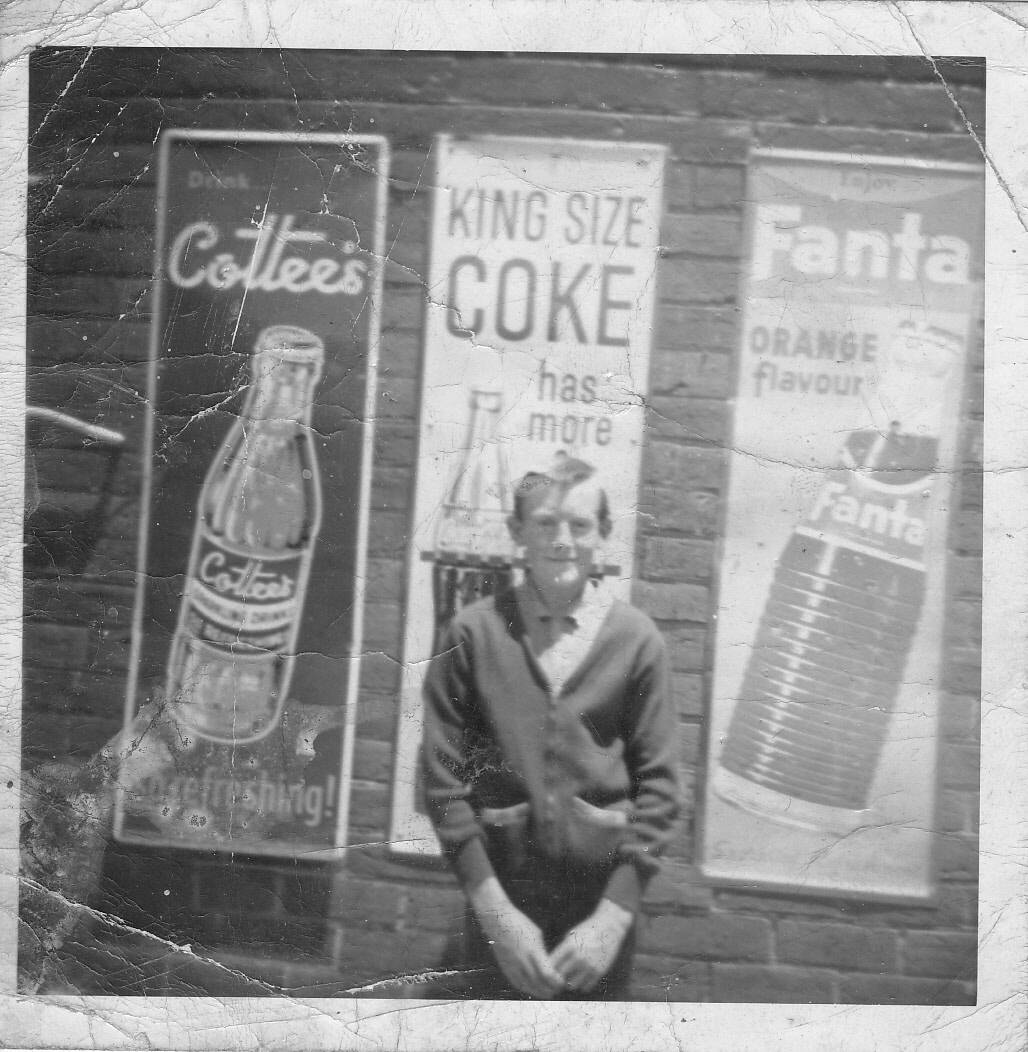
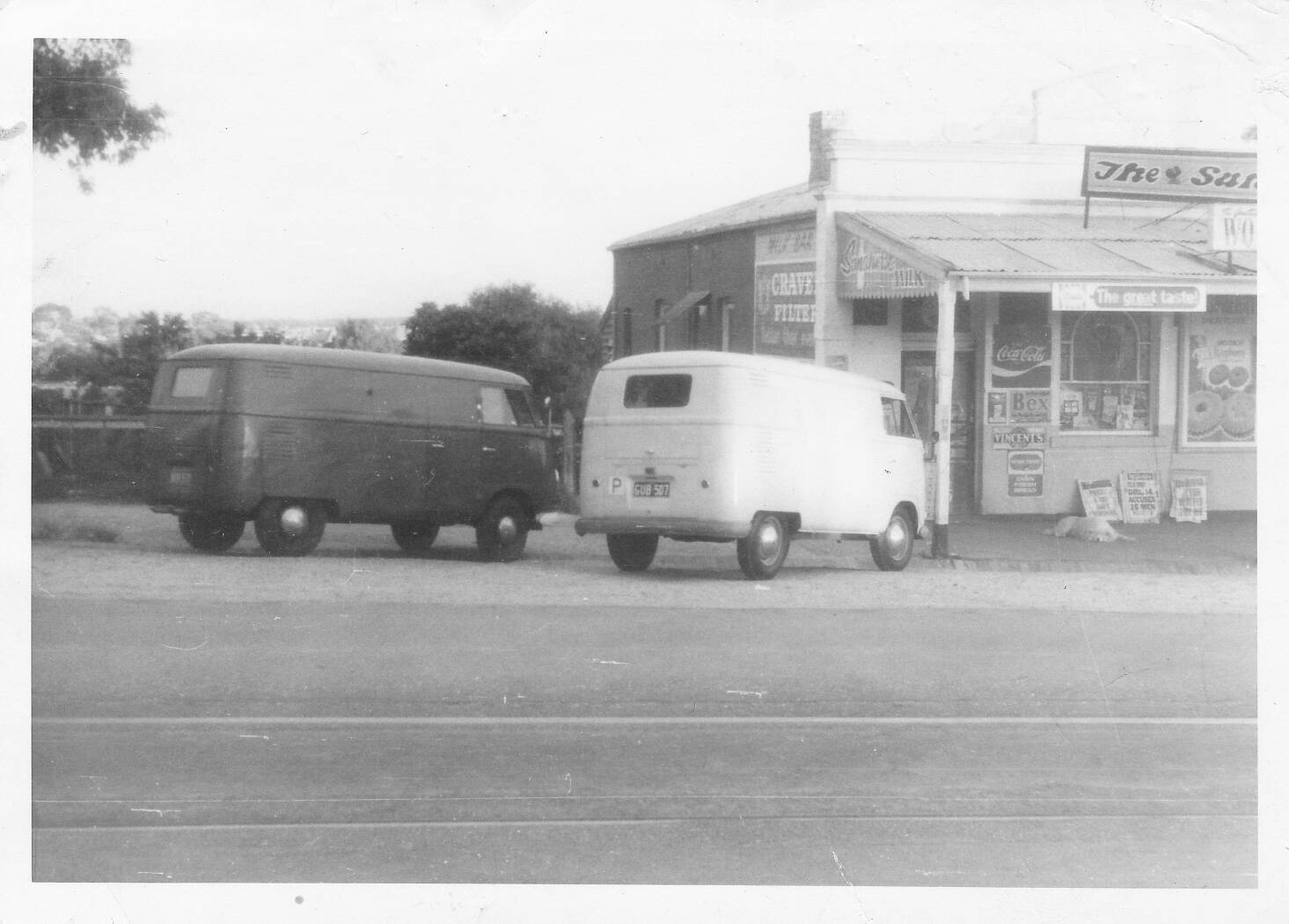
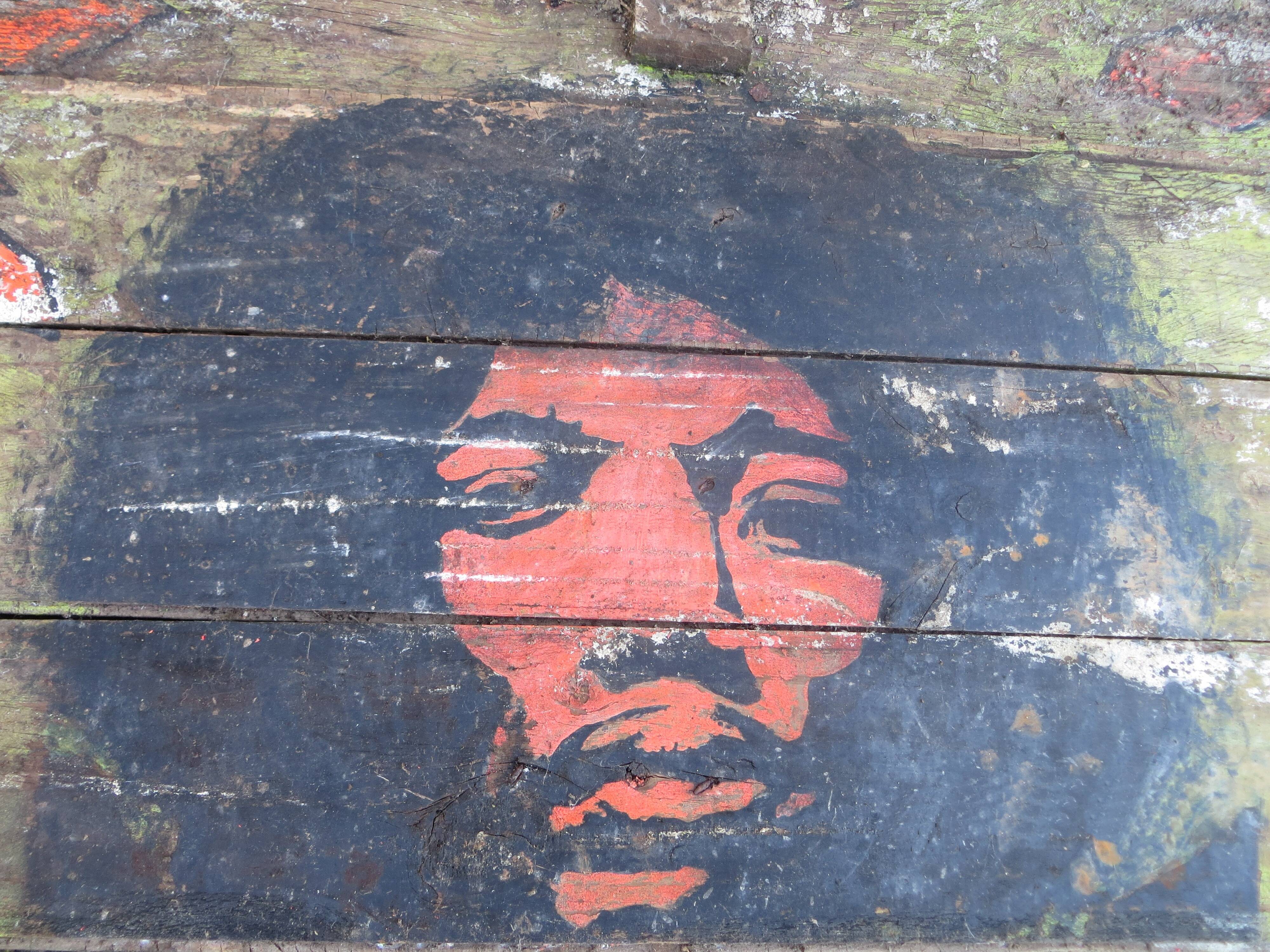
Son of Iles Bertrol Robert Rohde and Nancy Frances Mary Lowe. Married Jennifer Yates (b.1952). The old cellar at Johnson's Reef was a gathering place for Cal Gully youth in the late 1960s and 1970s. Barry, a drummer, used it for band practice; the cellar door carried a Jimi Hendrix mural and the sign "Ye Olde Cellar of Sounds."
Chapter 2: The Lowe-Johnston Line — Tasmania
c.1783 – 2013Both sides of this line converge in the farming communities of north-eastern Tasmania in the 1890s. The Lowes trace back to Lincolnshire and Staffordshire; the Johnstons were farming at Piper's Brook in the Lefroy district. Lilydale and the surrounding Tamar Valley were opened for settlement in the 1850s and 1860s as tin mining drew people to the north-east, followed by timber-getting and farming.
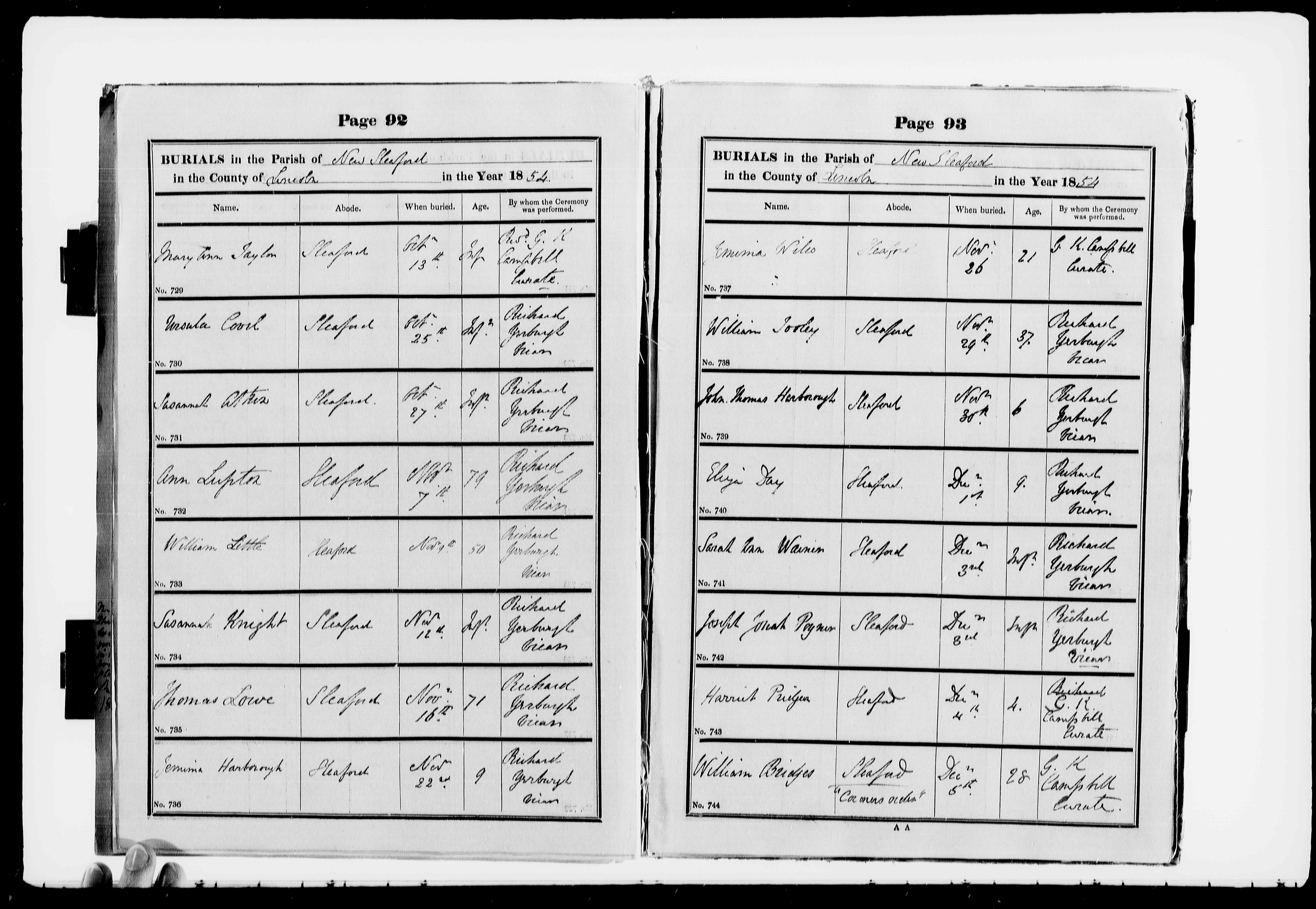
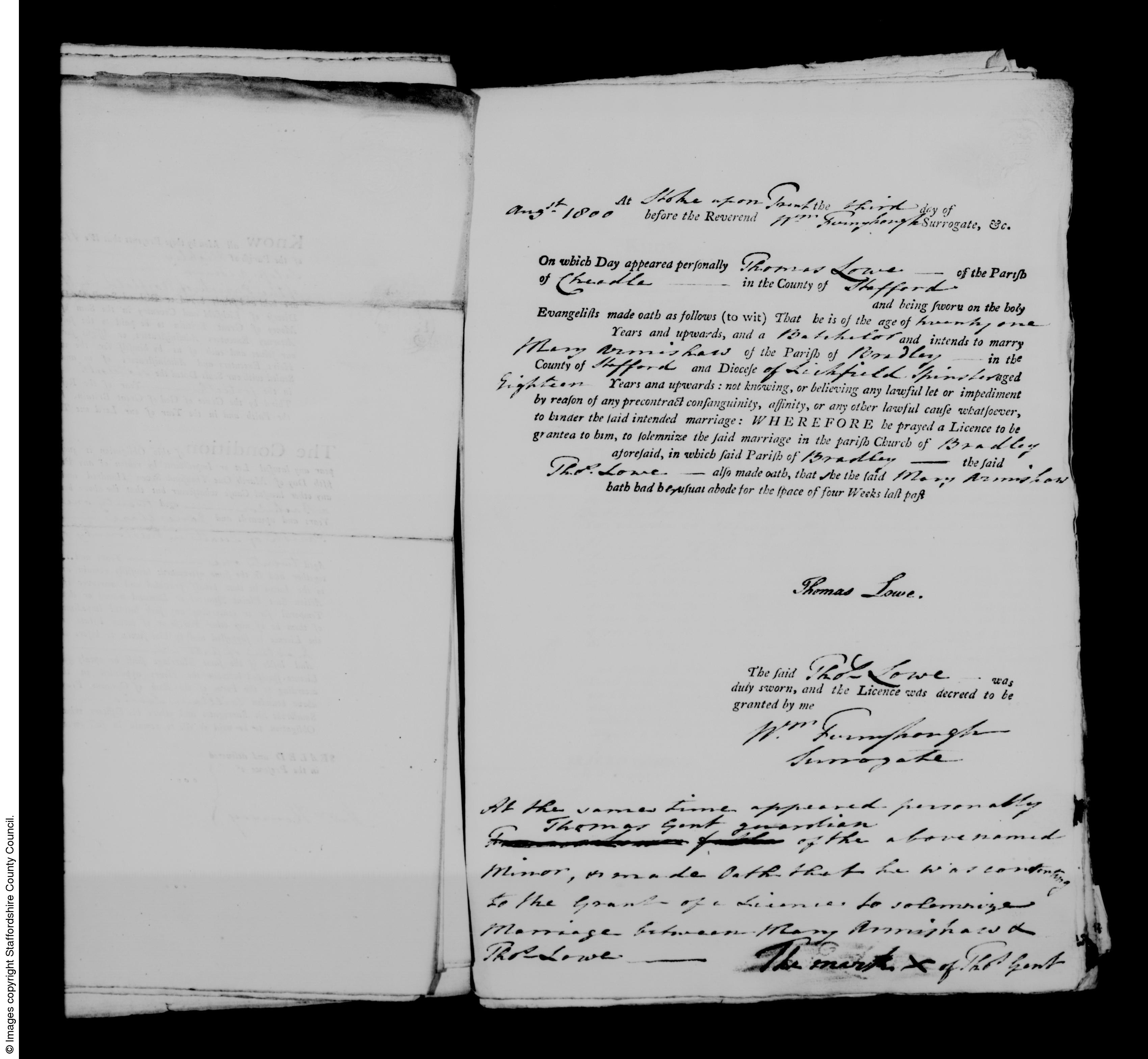
Thomas Lowe (c.1783–1854) of Sleaford, Lincolnshire, was buried at New Sleaford on 15 November 1854, aged 71. A marriage licence allegation from 8 August 1800 names him as a bachelor of Cheale/Cheadle, Staffordshire, intending to marry Mary Ann Harvey of Bradley, Staffordshire. Thomas and Mary Ann are the proposed parents of William Lowe, though the parent-child link is a working connection, not yet proven by primary evidence.William Lowe (1813–1895)
Born 1813. Married Ann Arnall (1828–1915). Their son Charles Henry Lowe was born 8 September 1862 at Sleaford, Lincolnshire — the same town where Thomas Lowe was buried — then died 14 May 1945 at Devonport, Tasmania, so the family emigrated between the 1860s and 1890s.
Ronald Lowe (1897–1972) and Inez Isobel Johnston (1899–1988)
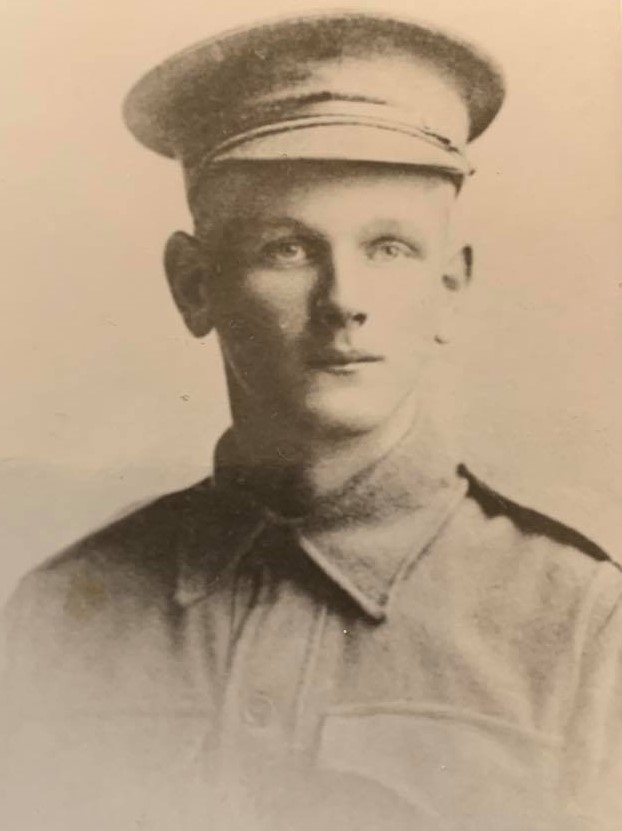
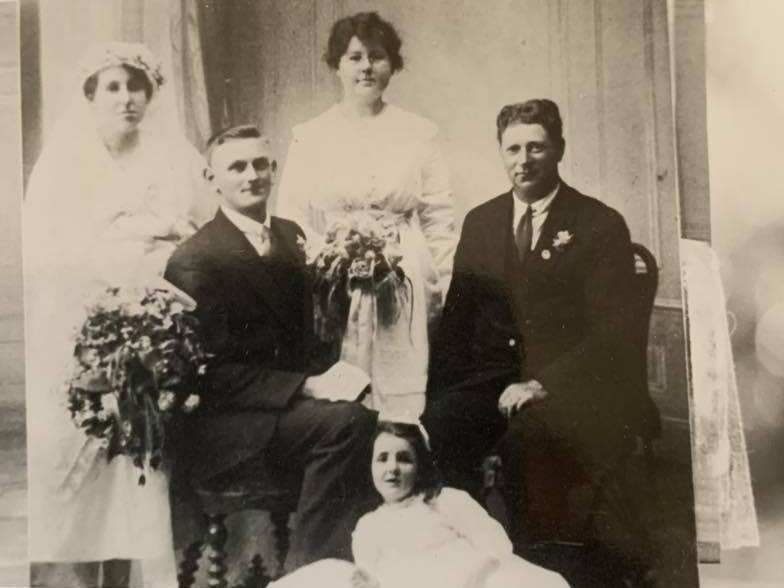
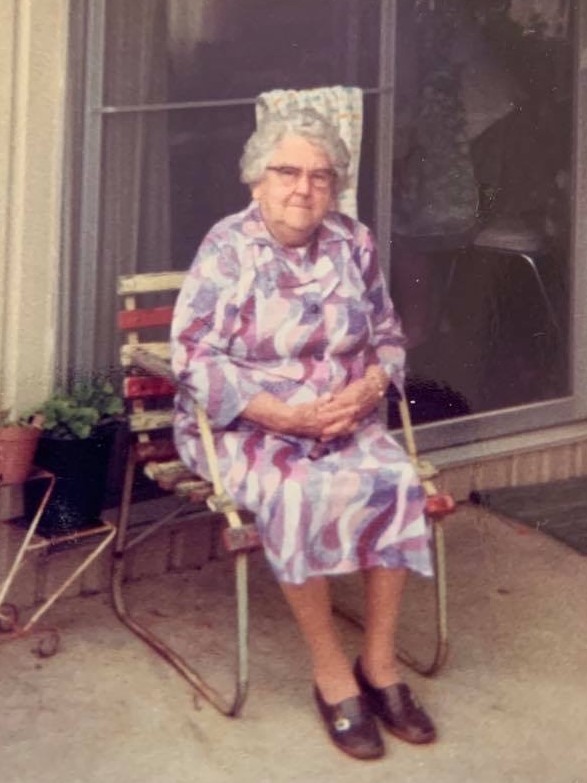
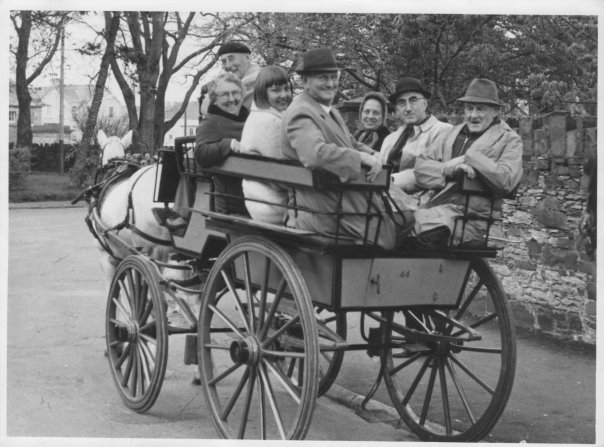
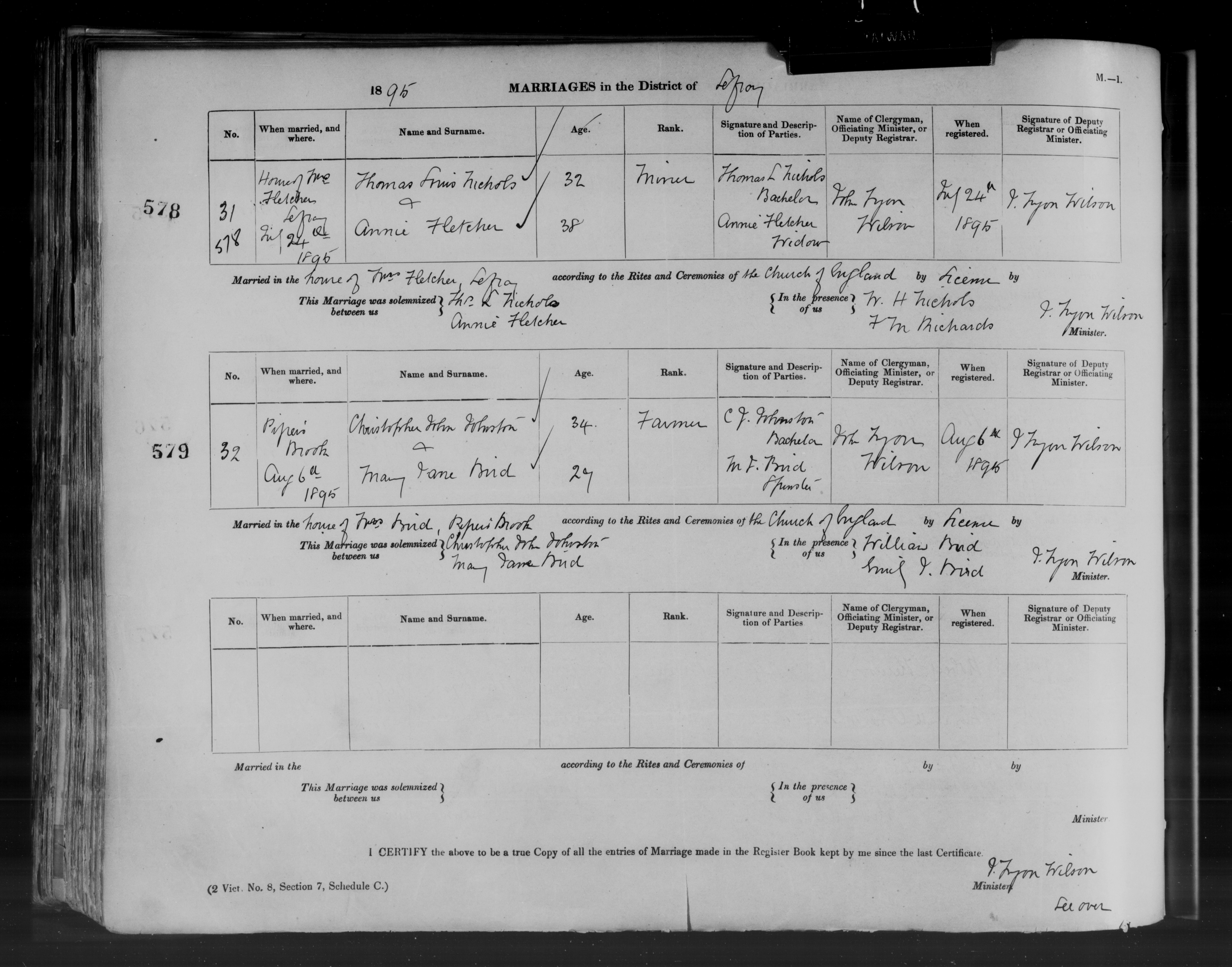
Ronald Lowe was born 30 April 1897 at Lilydale, Tasmania, son of Charles Henry Lowe and Frances Margaret Bingham (1872–1910, born Port Sorell, TAS, daughter of John Bingham of North Clifton, Nottinghamshire and Mary Ann Crawford). Inez Isobel Johnston was born 28 September 1899, also at Lilydale, daughter of Christopher John Johnston (1861–1951, born Launceston) and Mary Jane Bird (1868–1940, born George Town). Christopher and Mary Jane married at Piper's Brook in the Lefroy district on 6 August 1896 — he was a 34-year-old farmer, she a 29-year-old spinster.
Ronald and Inez met in 1917. Inez's mother disapproved. On 24 November 1920 they married at St John's Cathedral, Launceston — neither set of parents attended. Five children followed: Nancy (1921), Gloria (1925), Yvonne (1927), Kevan (1930), and Neville (1935).
The family later settled in the Riverina district of western NSW — first around Moulamein, a small town on the Edward River where the economy ran on wool, wheat, and the river trade. The Soldier Settlement schemes of the 1920s were placing returned servicemen on pastoral blocks across the Riverina, which may explain the move from Tasmania. Ronald died 9 August 1972, Bendigo. Inez died 12 July 1988, Bendigo.
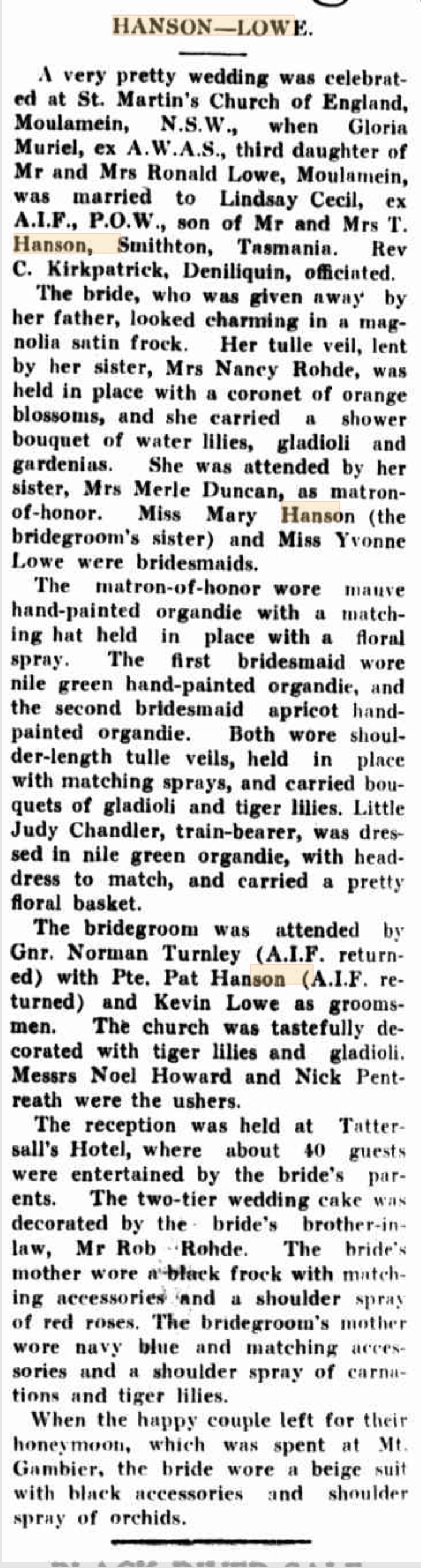
A newspaper report of Gloria's 1946 wedding captures the whole family in a single moment. Gloria Muriel Lowe, "ex A.W.A.S.," married Lindsay Cecil Hanson, "ex A.I.F., P.O.W.," at St Martin's Church of England, Moulamein. Nancy lent the bride her tulle veil; Yvonne was a bridesmaid; Kevan a groomsman; and the two-tier wedding cake was decorated by Nancy's husband, Iles "Bob" Rohde — a man otherwise known only through official documents, caught here in a single domestic detail.
Nancy Frances Mary Lowe (1921–2013)
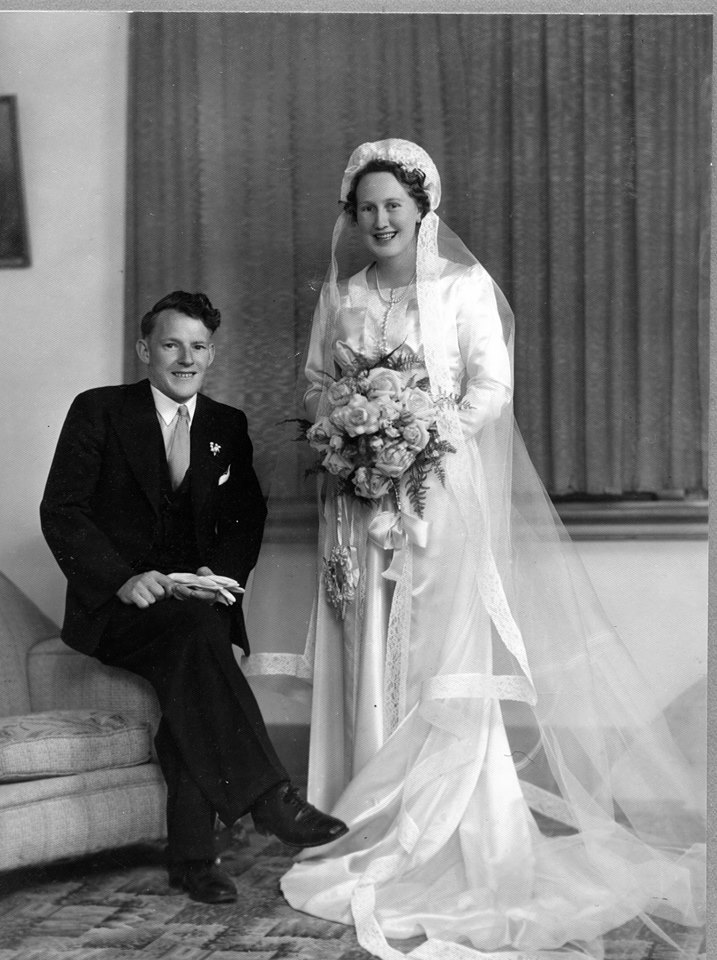
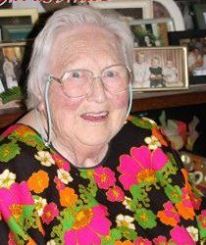
The eldest of Ronald and Inez's five children. Married Iles Bertrol Robert Rohde ("Bob") in 1943 at Balranald, NSW — a wartime wedding. Through this marriage the Lowe line of Tasmania joined the Rohde line of Victoria. In the Bendigo years Nancy was part of the daily life of the family shop. Barbara Zysvelt remembered working in the shop with her mother from 1960 until 1981 — a close Cal Gully community of regular customers, many known by what they bought rather than their real names. Nancy was popular because she always had time to listen. Nancy died 16 June 2013, Bendigo, aged 91.
Part II — Jennifer's Side
Chapter 3: The Yates Line — Yorkshire to Bendigo
c.1770 – LivingThis line begins in the flat marshlands around Thorne and Fishlake in South Yorkshire, where the Wraith and Yates families were established by the late eighteenth century. Robert Wraith (1770–1853) was born at Thorpe in Balne, Doncaster. His daughter Sarah Wraith (1801–1889), born at Fishlake, married John Yates (1798–1885), born at Thorne. By the 1850s their son had emigrated to South Australia and then to the goldfields of Bendigo.
John Yates (1835–1868)
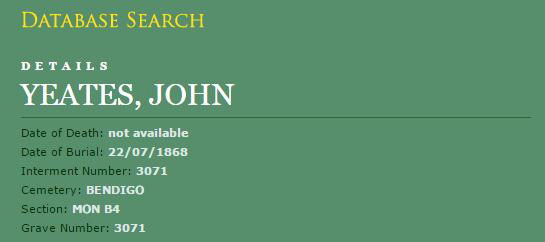
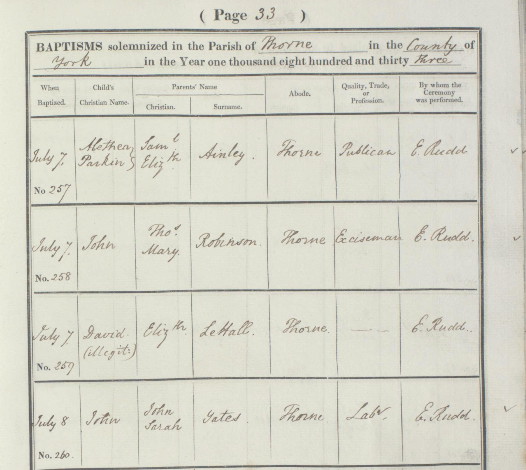
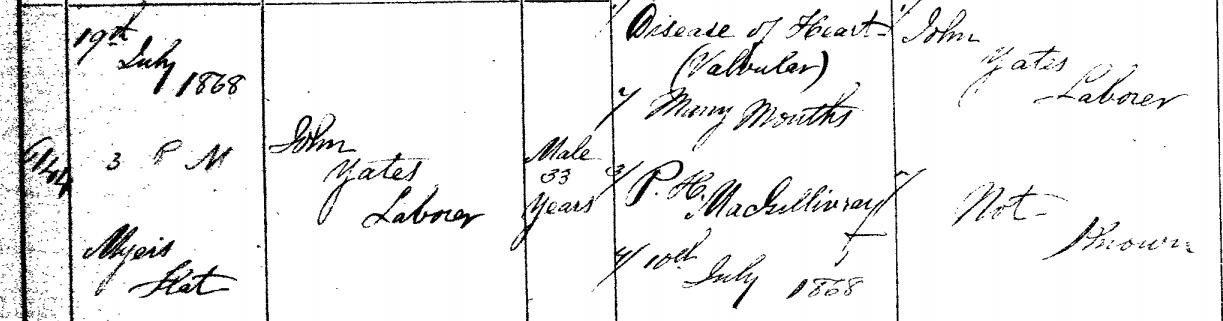
Born 1835, Thorne, Yorkshire. Baptised 8 July 1835. Son of John Yates and Sarah Wraith. Married Louisa Baker (1837–1911) in 1854 at Adelaide — South Australia was then only eighteen years old as a colony, actively recruiting working-class English emigrants with assisted passages. The couple later moved to Victoria, drawn by the goldfields. John died 19 July 1868, aged 33 — a labourer, buried at West Melbourne Cemetery, "about 18 years in Victoria."
Louisa Baker (1837–1911)

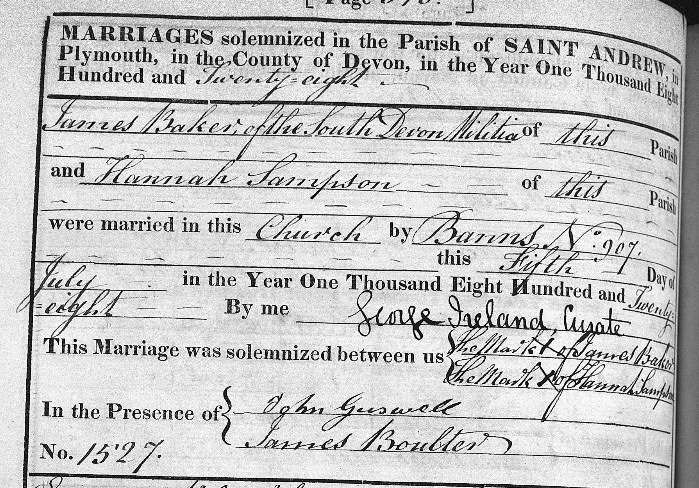
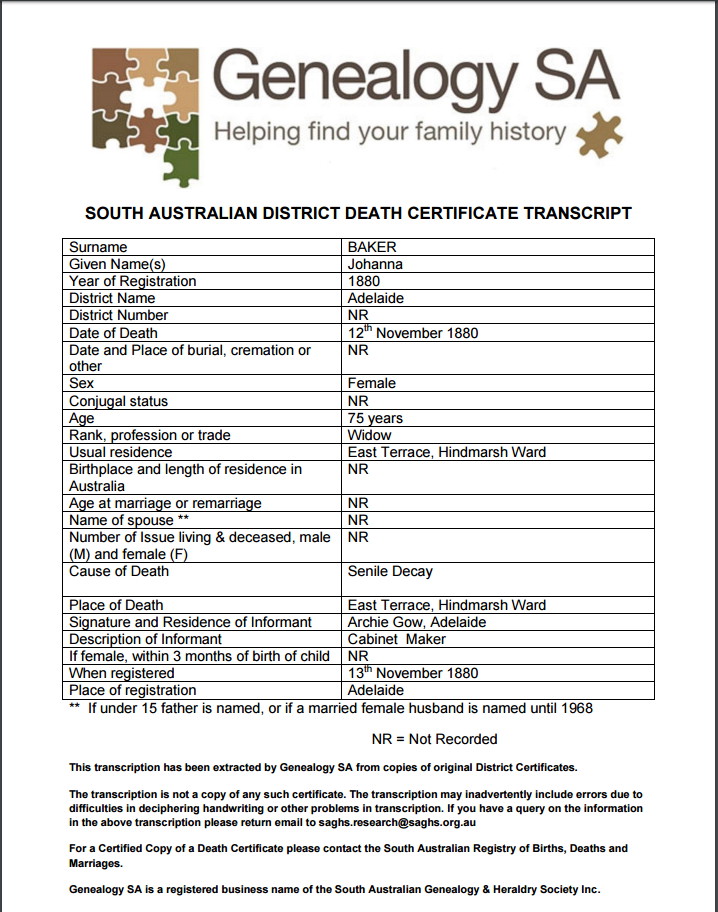
Born c.1837 Plymouth, England, daughter of James Baker (1807–1856), a butcher, and Hannah Simpson (1808–1880), born at Plymouth Dock. James married Hannah in 1828; court records from 1849 show him charged with drunkenness. A Devon marriage transcription records an earlier James Baker marrying Mary Bryant (1785–1839) at Plymouth St Andrew in 1807 — a probable mother. Hannah's death certificate (as "Johanna Baker") survives, recording her death 12 November 1880 at East Terrace, Hindmarsh Ward, Adelaide, aged 75.
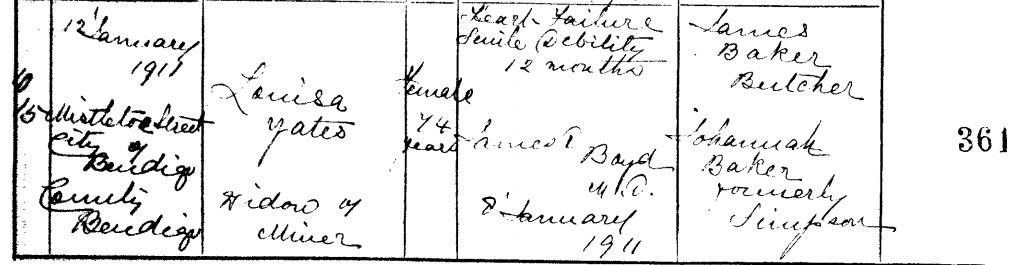
Louisa died 12 January 1911 at Mistletoe Street, Bendigo, aged 74. Death certificate: "Heart Failure, Senile Debility, 12 months." Listed as "widow of Miner." Probate records suggest she left property worth administering.
John Yates (1865–1913)
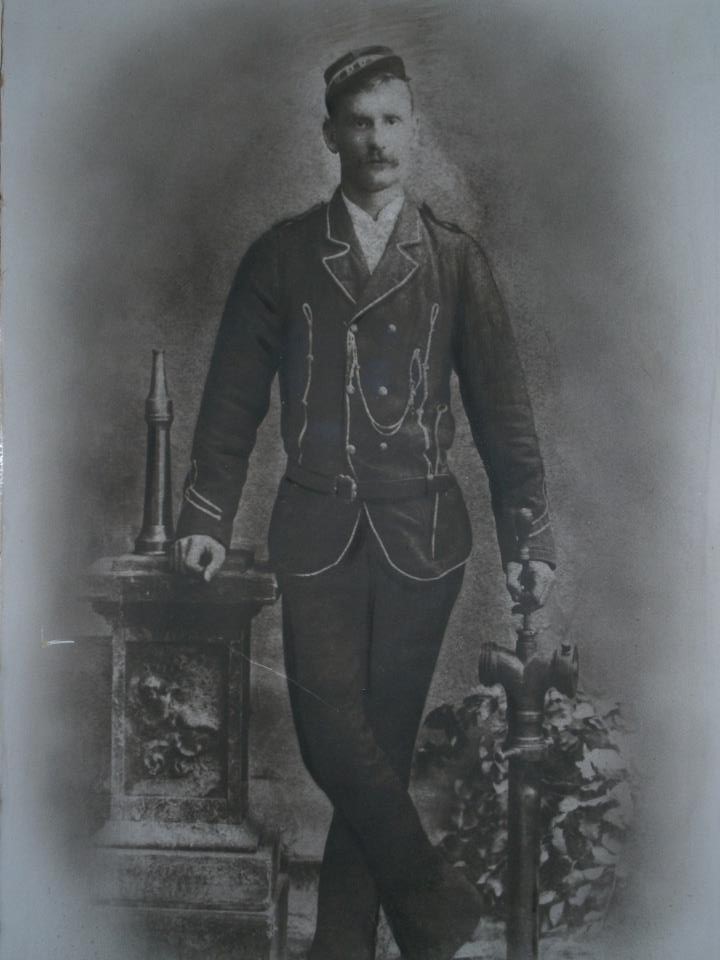
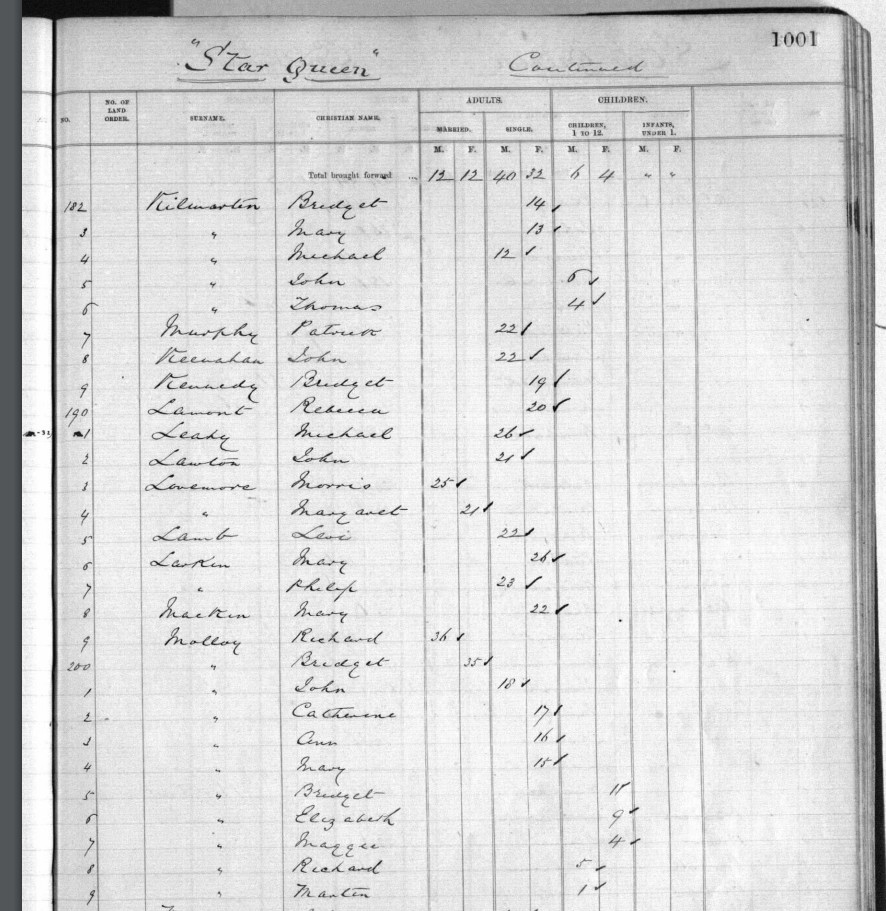
Son of John Yates and Louisa Baker. Married Margaret "Maggie" Molloy (1872–1930). Margaret's family had emigrated from Ireland on the Star Queen around 1876 — father Richard Molloy (36), mother Bridget Delaney (35), and nine children including Maggie, aged 4. The ship manifest survives.
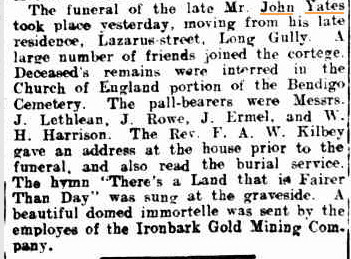
John lived at Lazarus Street, Long Gully — one of the narrow valleys radiating from Bendigo's centre where miners' cottages pressed up against the diggings. He worked at the Ironbark Gold Mining Company. By the 1900s Bendigo's alluvial gold was gone, but deep quartz mining sustained the town. From his funeral notice: "A beautiful domed immortelle was sent by the employees of the Ironbark Gold Mining Company." John died 1913; Margaret was widowed with five children.
John William Leslie Yates (1893–1954)
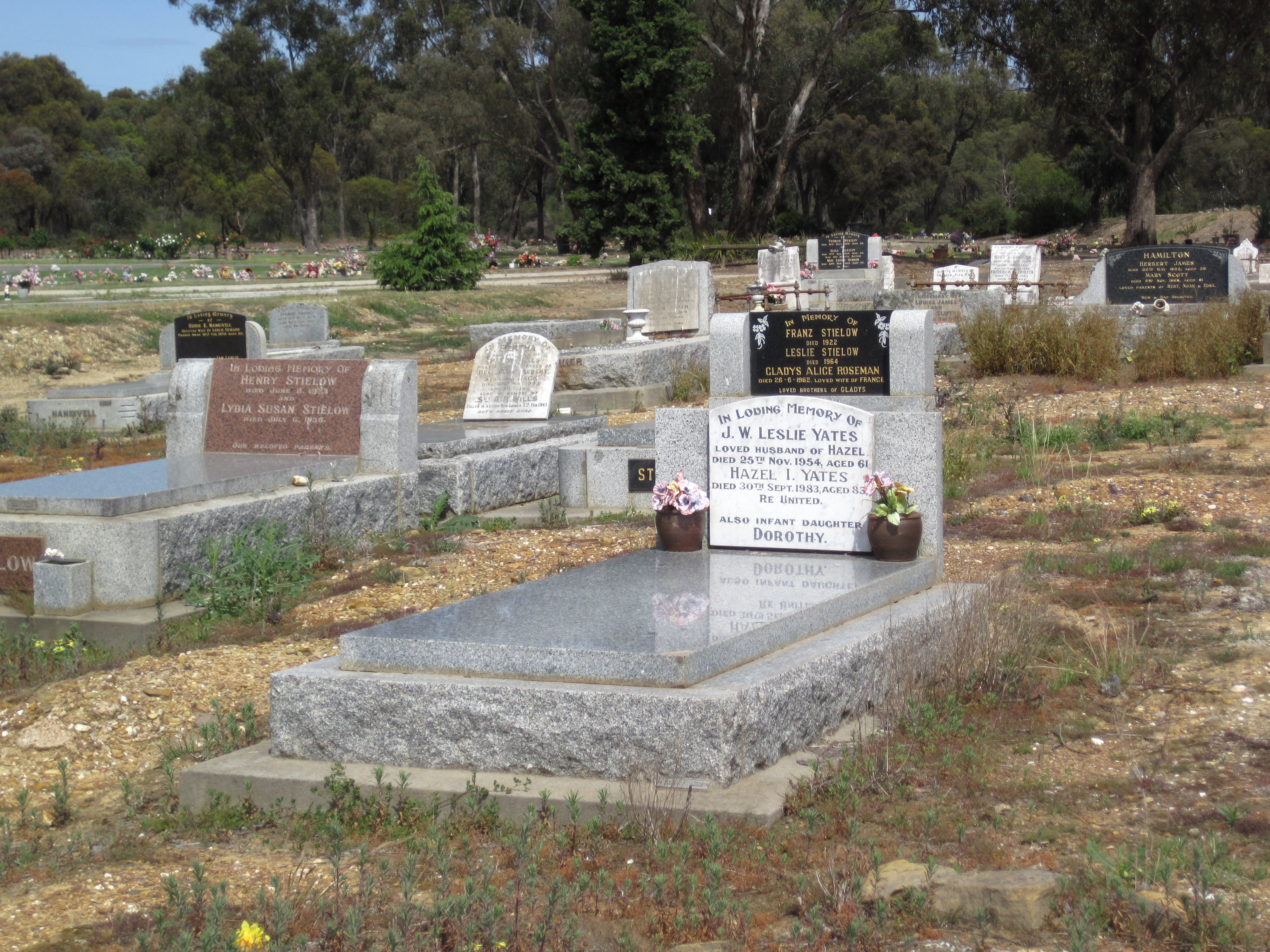
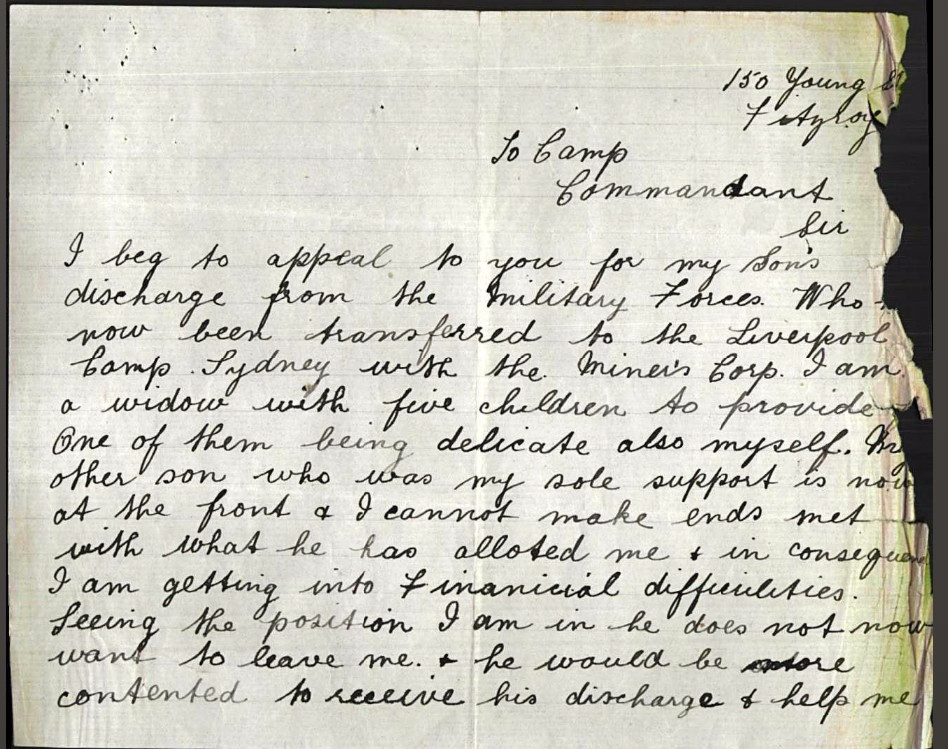
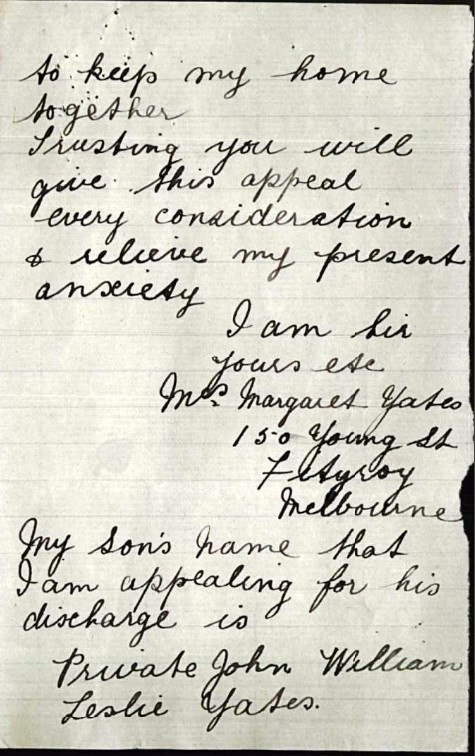
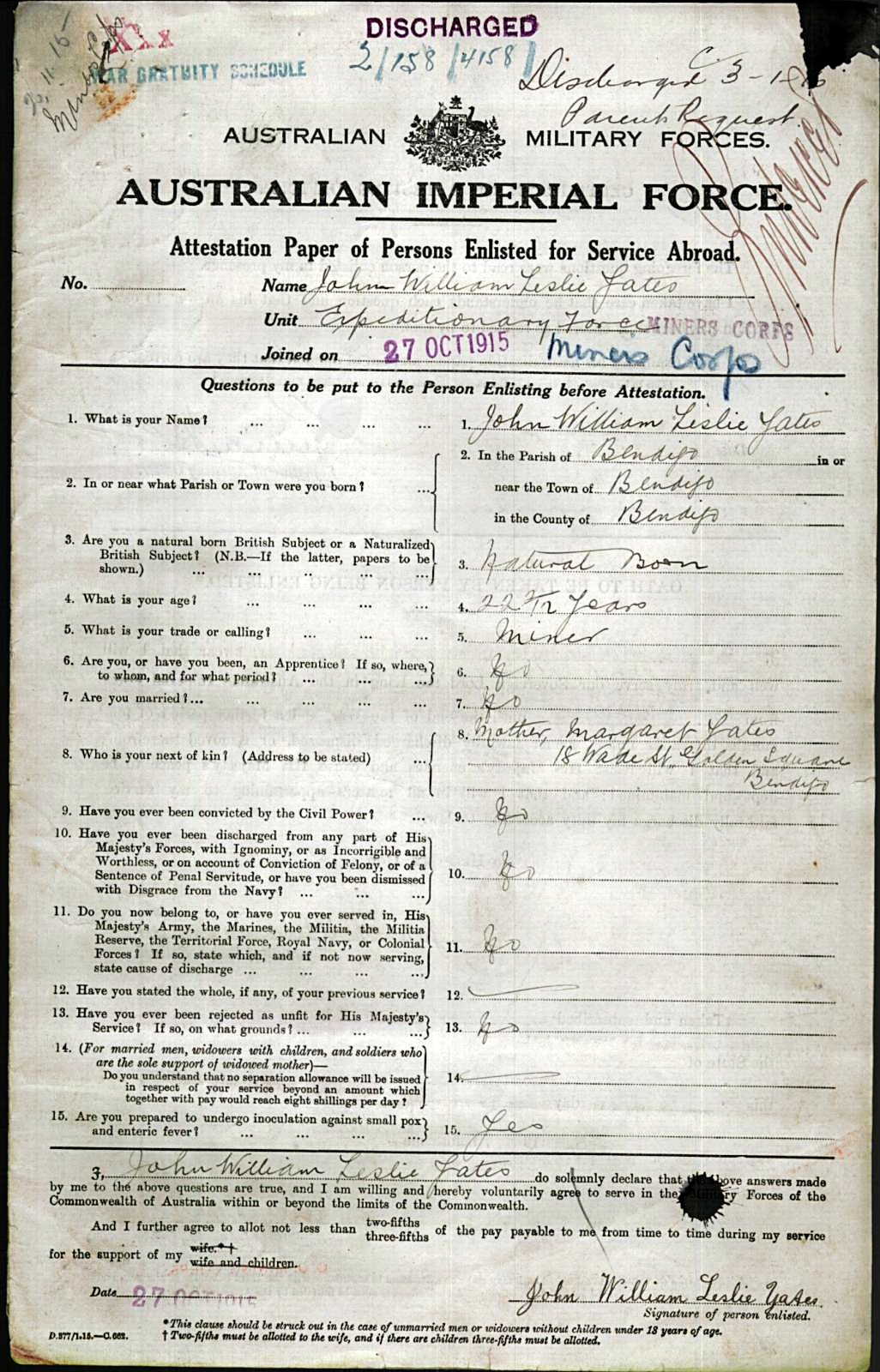
Son of John Yates and Margaret Molloy. Born 1893, Bendigo. Married Hazel Irene Soundrey (1900–1983), daughter of William John Saundry/Soundry and Elizabeth Louisa Hopgood. Served World War I — enlisted 27 October 1915, born Bendigo, aged 22 years 5 months. His mother Margaret — widowed since 1913 — wrote to the Camp Commandant from 150 Young St, Bendigo, to beg for her son's discharge:
"I beg to appeal to you for my Son's discharge from the Military Forces. Who [has] now been transferred to the Liverpool Camp, Sydney with the Miners Corp. I am a widow with five children to provide. One of them being delicate also myself. My other son who was my sole support is now at the front & I cannot make ends meet with what he has allotted me & in consequence I am getting into financial difficulties."
John William Henry Yates (1919–1971)
Born 18 January 1919. Son of John William Leslie Yates and Hazel Irene Soundrey. Married Esma May Sheckelton (1919–2004), daughter of William Hope Sheckelton and Emma Amelia "Ella" Keenes.
Jennifer Yates (1952–Living)
Born 1952, Bendigo. Daughter of John William Henry Yates and Esma May Sheckelton. Married Barry Ashlen Rohde.
Chapter 4: The Saundry-Hopgood Line — Cornwall to Victoria
c.1798 – 1943Cornwall's tin and copper mines had sustained families for generations, but by the 1840s and 1850s falling ore prices and exhausted lodes were driving thousands of Cornish miners overseas — to South Australia, to California, and to the Victorian goldfields. The Saundry family from Illogan and Camborne, and the Hopgoods from Hampshire and Berkshire, were part of this wave.
John Saundry (1831–1872) and Elizabeth Williams (1833–1919)
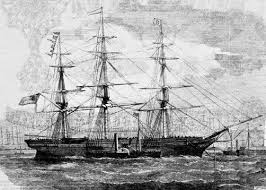
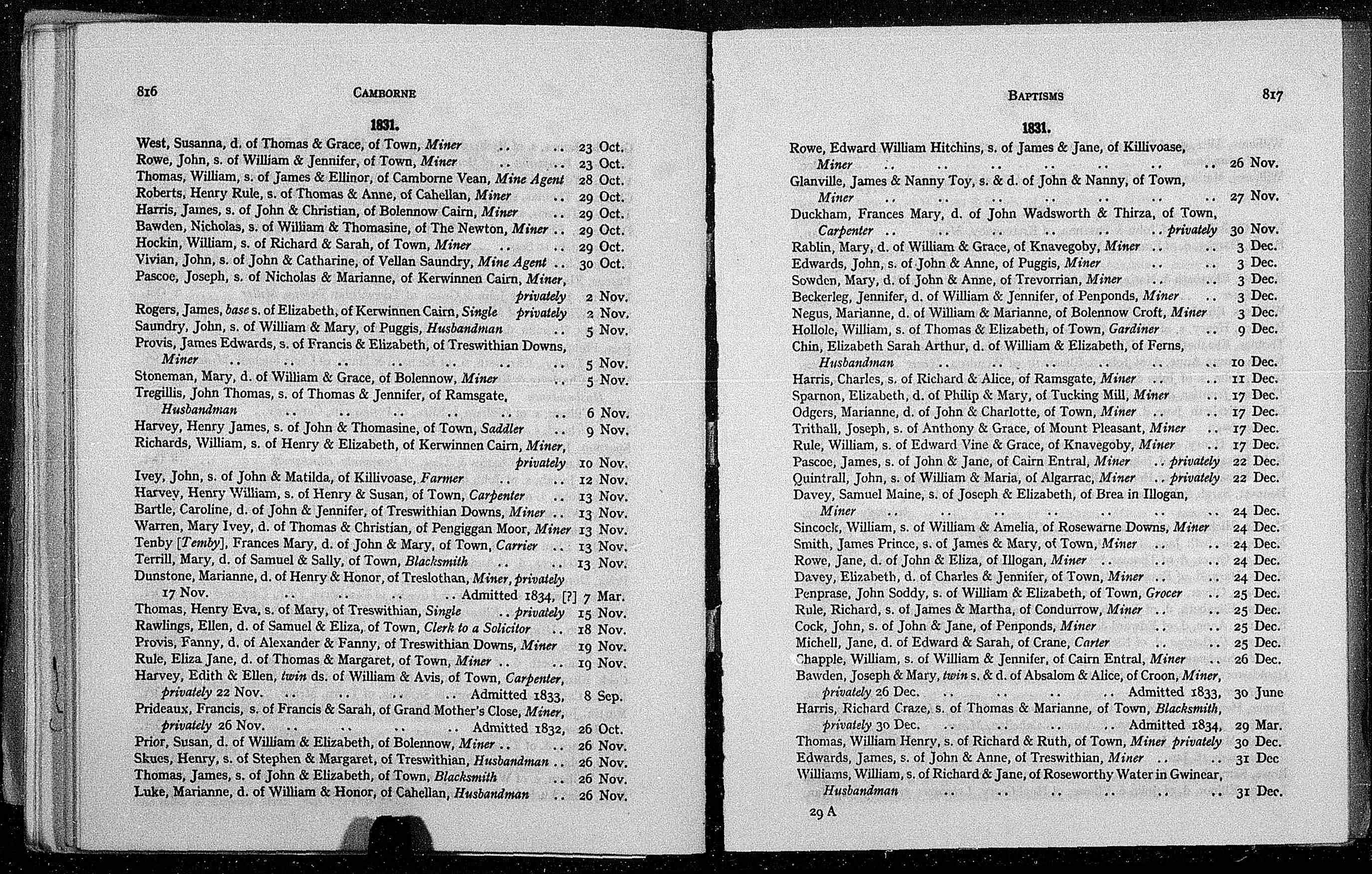
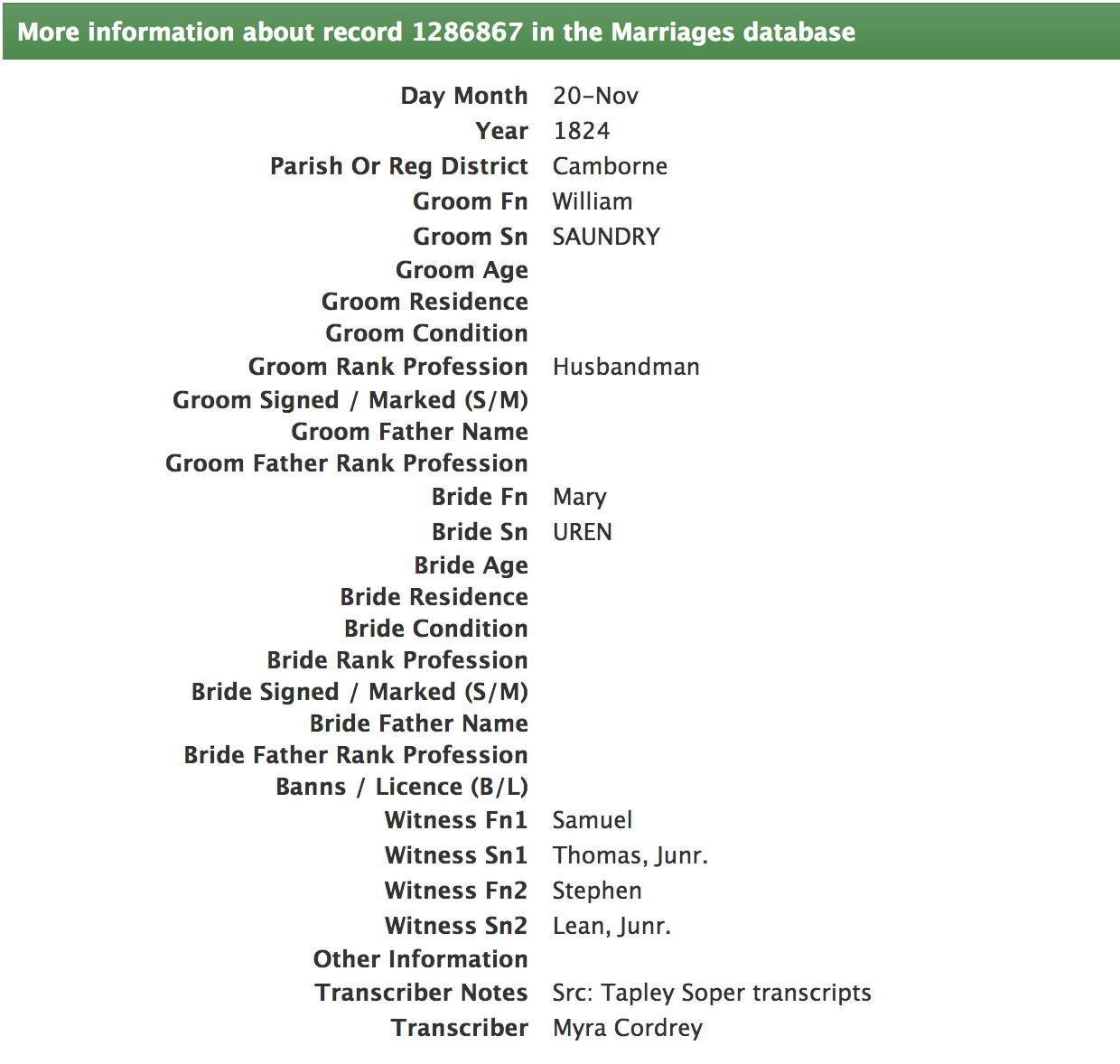
John was baptised 5 November 1831 at Camborne, son of William Saundry (1805–1840, buried at Camborne, occupation husbandman) and Mary U'Ren (1804–1863) of Illogan. Elizabeth was born 1833 at Perranzabuloe, daughter of William Williams and Priscilla Cocking. Both arrived in Australia on the Lord Raglan.
William Hopgood (1844–1910)

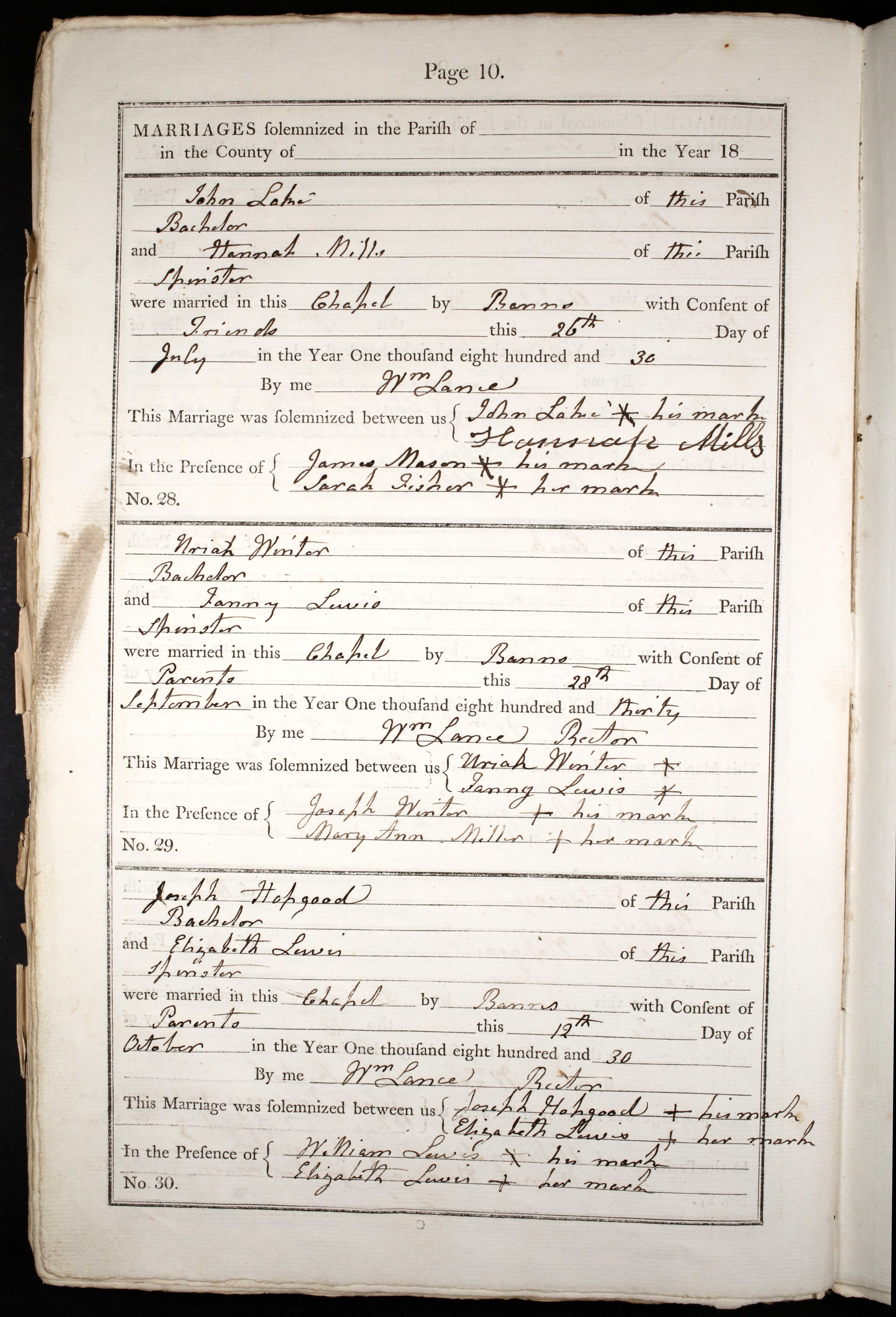


Born 1844, Lambourn, Berkshire. Son of Joseph William Hopgood (1804–1889) of Bradfield and Elizabeth Lewis Langley (1810–1897). Joseph married Elizabeth on 12 October 1830; he appears in the England & Wales Criminal Registers — the offence is not yet known. Elizabeth died 28 November 1897 at the Benevolent Asylum, Bendigo — her son William of Lethbridge Road, Eaglehawk was informant. William married Isabella Rebecca Pierce (1846–1891), born Hobart, daughter of Thomas Pierce and Louisa Jarvis.
William John Saundry/Soundry (1862–1906)

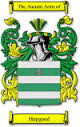
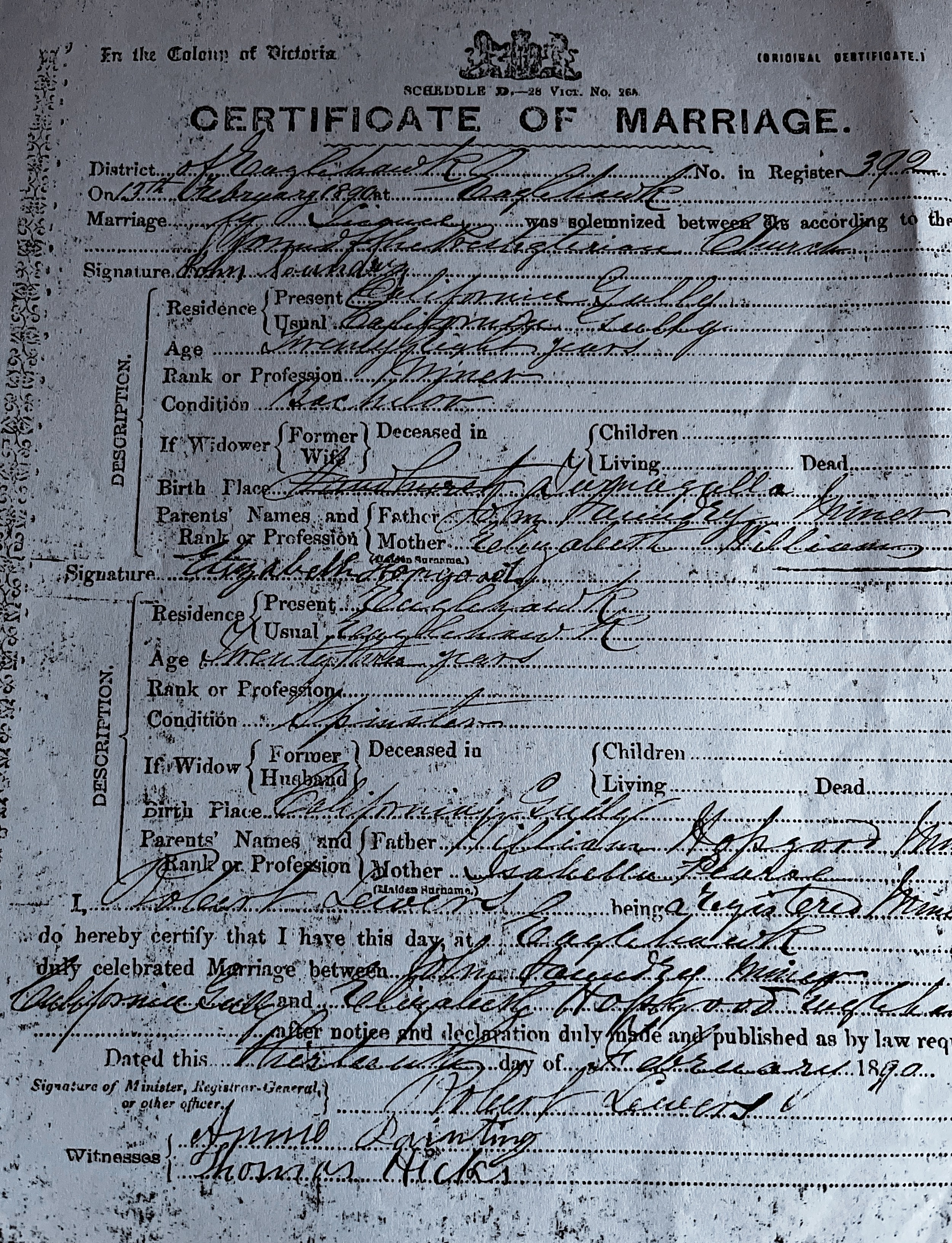
Born 1862, Tarnagulla — another central Victorian goldfields town, about 30 km north of Avoca. The Cornish miners who arrived on the Lord Raglan would have found familiar work in its deep quartz reefs. Son of John Saundry and Elizabeth Williams. Married Elizabeth Louisa Hopgood (1865–1943), daughter of William Hopgood and Isabella Pierce, born at Eaglehawk. Their daughter Hazel Irene Soundrey (1900–1983) married John William Leslie Yates.
Chapter 5: The Keens Line — A Convict, a Fire, and a Dynasty
c.1798 – 1958This branch contains a transported convict who arrived on the Lord Eldon and built his life in colonial New South Wales, and a young woman who arrived on the Layton under the Female Emigration Committee.
Joseph Henry Keens (1798–1875)
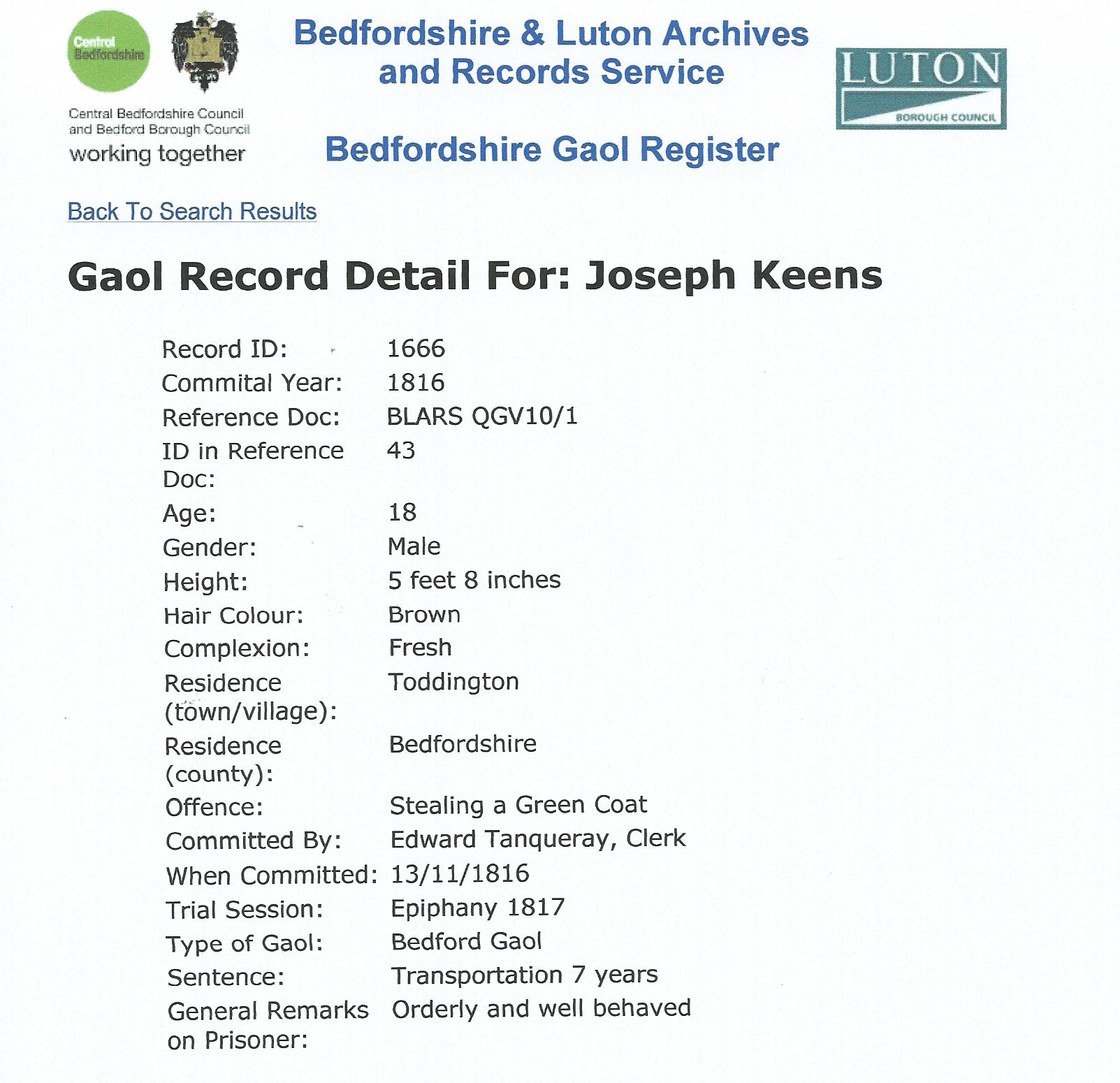
Born c.1798 Toddington, Bedfordshire, to James Keens and Martha Preston.
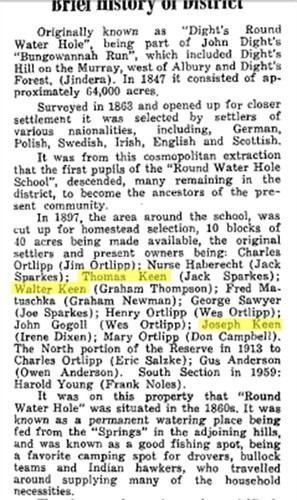
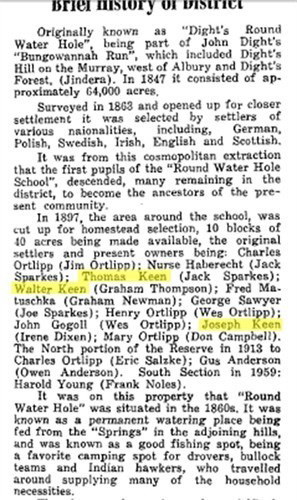
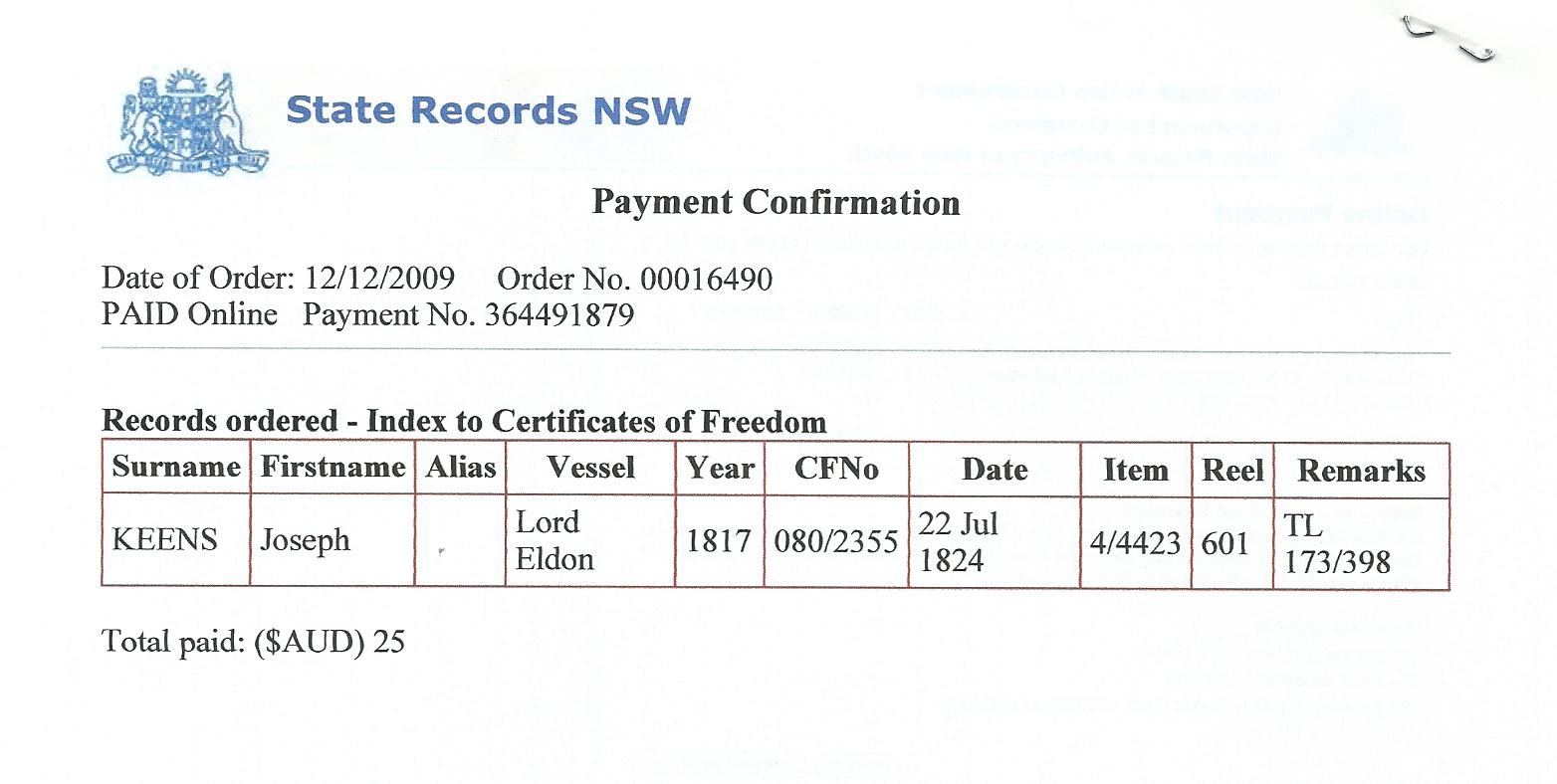
His crime: stealing a green coat. Committed in 1816, aged 18. Tried and convicted at Bedford. He arrived in New South Wales on the ship LORD ELDON in 1817. His Certificate of Freedom was issued 22 July 1824 (CFNo 080/2355, State Records NSW, Reel 601) — approximately 7 years served. A prisoner list shows he was also transported to Newcastle aboard the Brig Lady Nelson.After his freedom Joseph moved inland to the Bungowannah district near Albury, on the Murray River — frontier pastoral country being opened to small selectors in the 1830s and 1840s. For an emancipated convict, the far inland districts offered land and anonymity. The property Glennellen was associated with his name. He married Susannah Charlotte Shones in 1834 and together they had approximately ten surviving children. Joseph died 11 March 1875 at Moorwatha, near Albury, and is buried at Bungowannah Cemetery.
Susannah Charlotte Shones (1814–1898)
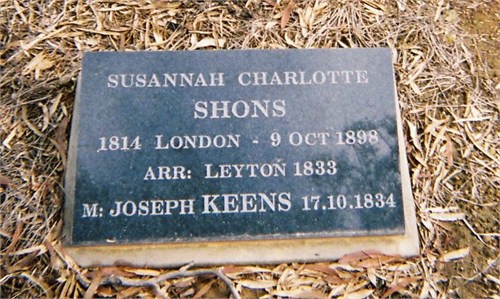
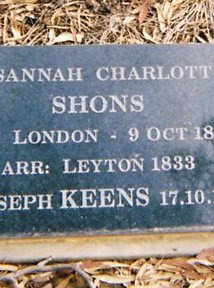
Born 1814 in London. Her parents were likely Henry Shones (b.1795, Mollington, Cheshire) and Rosina Rossi (b.1795, Italy) — if confirmed, this would make Susannah half-Italian, an unexpected thread in a family otherwise rooted in English and German stock.
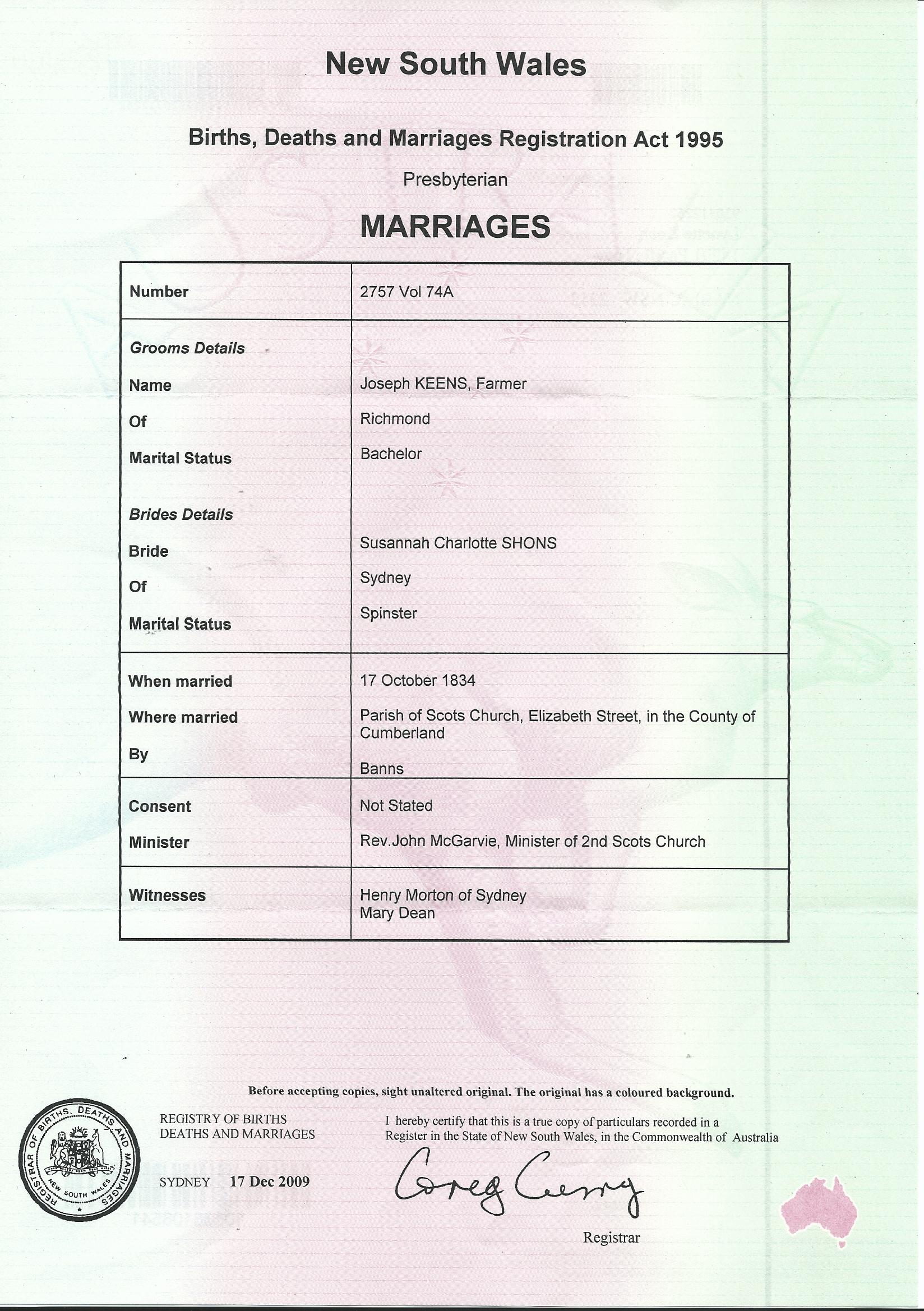
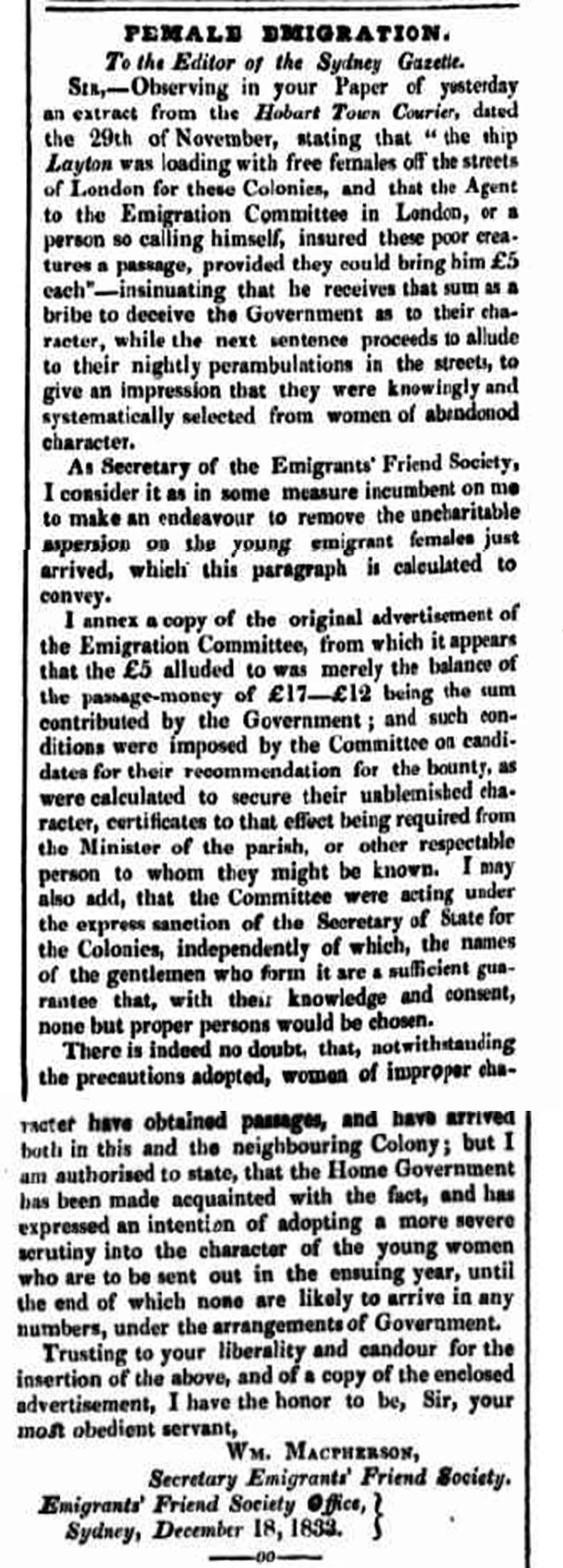
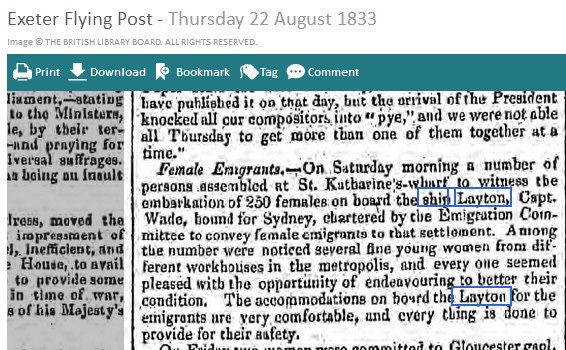
Arrived Australia on the ship LAYTON, sailing from Gravesend on 15 August 1833 under the Female Emigration Committee. The Exeter Flying Post reported on the voyage amid controversy about the character of some emigrant women. Her name appears on the manifest as "Shons Charlotte," aged 15. On landing, the Layton emigrants were escorted to the Government Lumber-yard under the oversight of the Female's Friend Society. She married Joseph Keens on 17 October 1834 at Scots Church, Elizabeth Street, Sydney.
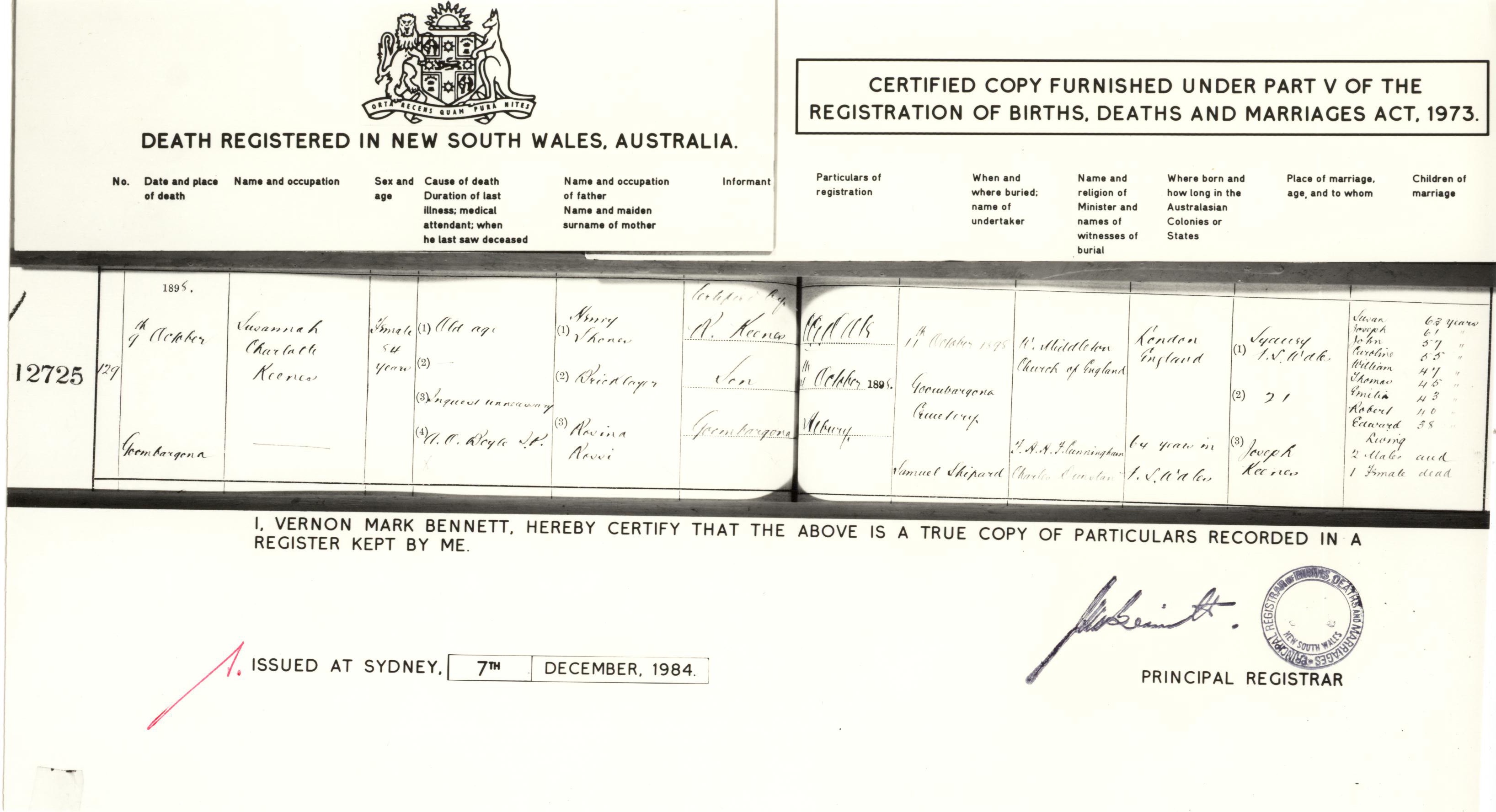
Her death certificate (1898, aged 84, at Yambargana) lists surviving children: Susan (63), Joseph (61), John (57), Caroline (55), William (47), Thomas (45), Emilia (43), Robert (40), Edward (38) — plus noting James, Henry, and Mary Ann already dead. Buried Goombargana Cemetery near Balldale, via Corowa, NSW.
James Keen (1846–1896)
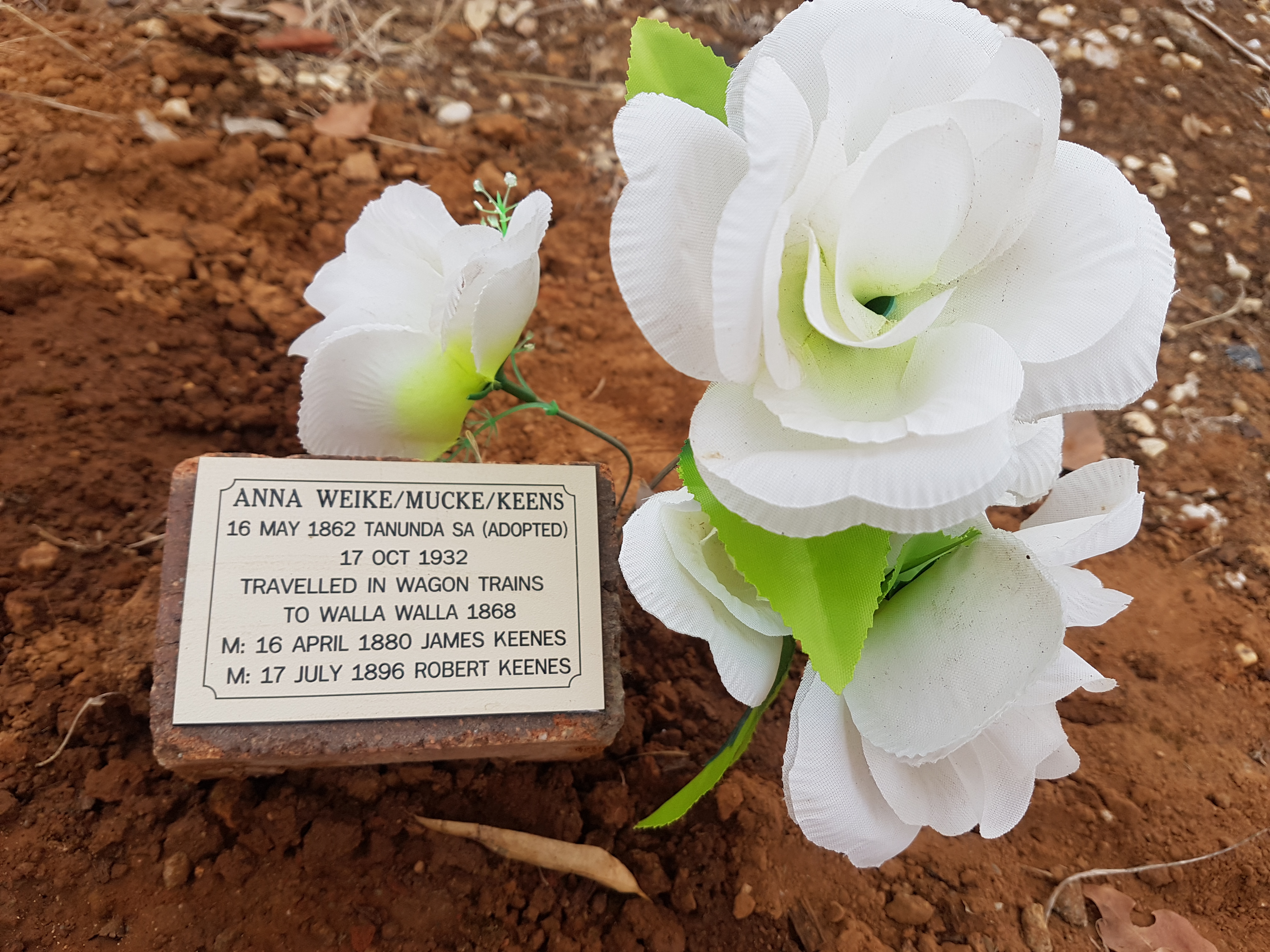
Son of Joseph and Susannah. Born 11 October 1846. Married Anna Matilda Müecke (1862–1932) on 16 April 1880. Anna was born in Tanunda, South Australia — the heart of the Barossa Valley's German Lutheran settlements. Her grave marker records her as ANNA WEIKE/MUCKE/KEENS. She was adopted, and at age six travelled by wagon train from South Australia to Walla Walla as the adopted daughter of Peter and Julianne Christiane Hennersdorf.
Anna's likely biological parents were Gottfried Muecke (c.1795, Prussia) and Ernestina Schulze (c.1827), who married 17 March 1859 in the Gawler/Barossa district. The Wendish Heritage Society records a matching Muecke family arriving at Adelaide on the Helene on 26 January 1859 — among the Wendish and Lutheran settlers who came from Prussia and Saxony fleeing the forced union of churches.
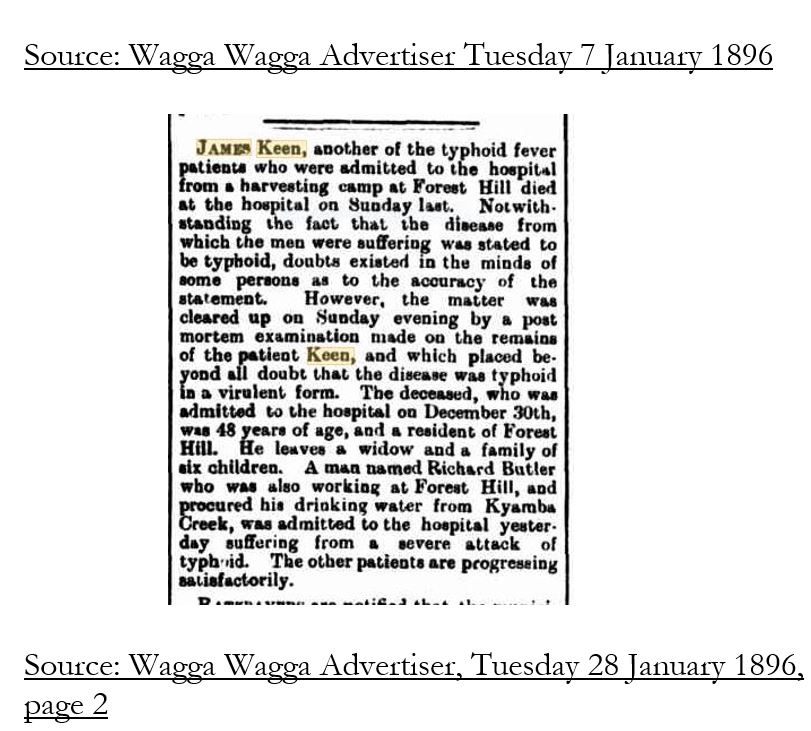
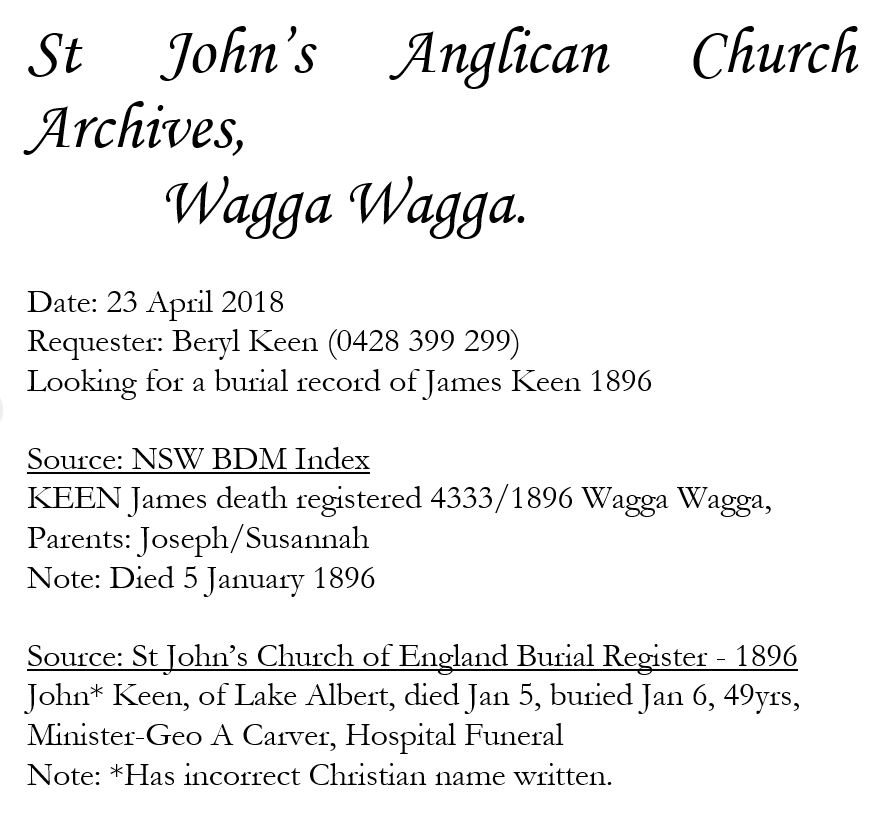
James died of typhoid. From the Wagga Wagga Advertiser, 7 January 1896: "JAMES KEEN, another of the typhoid fever patients who were admitted to the hospital from a harvesting camp at Forest Hill died at the hospital on Sunday last... the disease was typhoid in a virulent form. The deceased, who was admitted to the hospital on December 30th, was 48 years of age, and a resident of Forest Hill. He leaves a widow and a family of six children." A "Return Thanks" notice was placed by Mrs James Keen. There is no headstone — he is most possibly buried in portion 1 of the Anglican section, Wagga Wagga Monumental Cemetery.

Emma Amelia "Ella" Keenes (1886–1958)

Daughter of James and Anna. Born 25 July 1886, Wagga Wagga. Father died of typhoid when she was nine. Married William Hope Sheckelton in 1913 in Victoria. Died 26 July 1958, Bendigo.
Chapter 6: The Gibbs-Miller & Shekleton Line — Two Convicts Who Found Each Other
c.1830 – 2004This is perhaps the most extraordinary story in the family. Two convicts — one transported for arson, one for an unknown crime — arrived in Van Diemen's Land on separate ships, were granted permission to marry by the colonial authorities, and began a family. Their great-grandson was orphaned in infancy.
George Samuel Gibbs (c.1830–1898) and Susannah Miller (c.1832–1894)
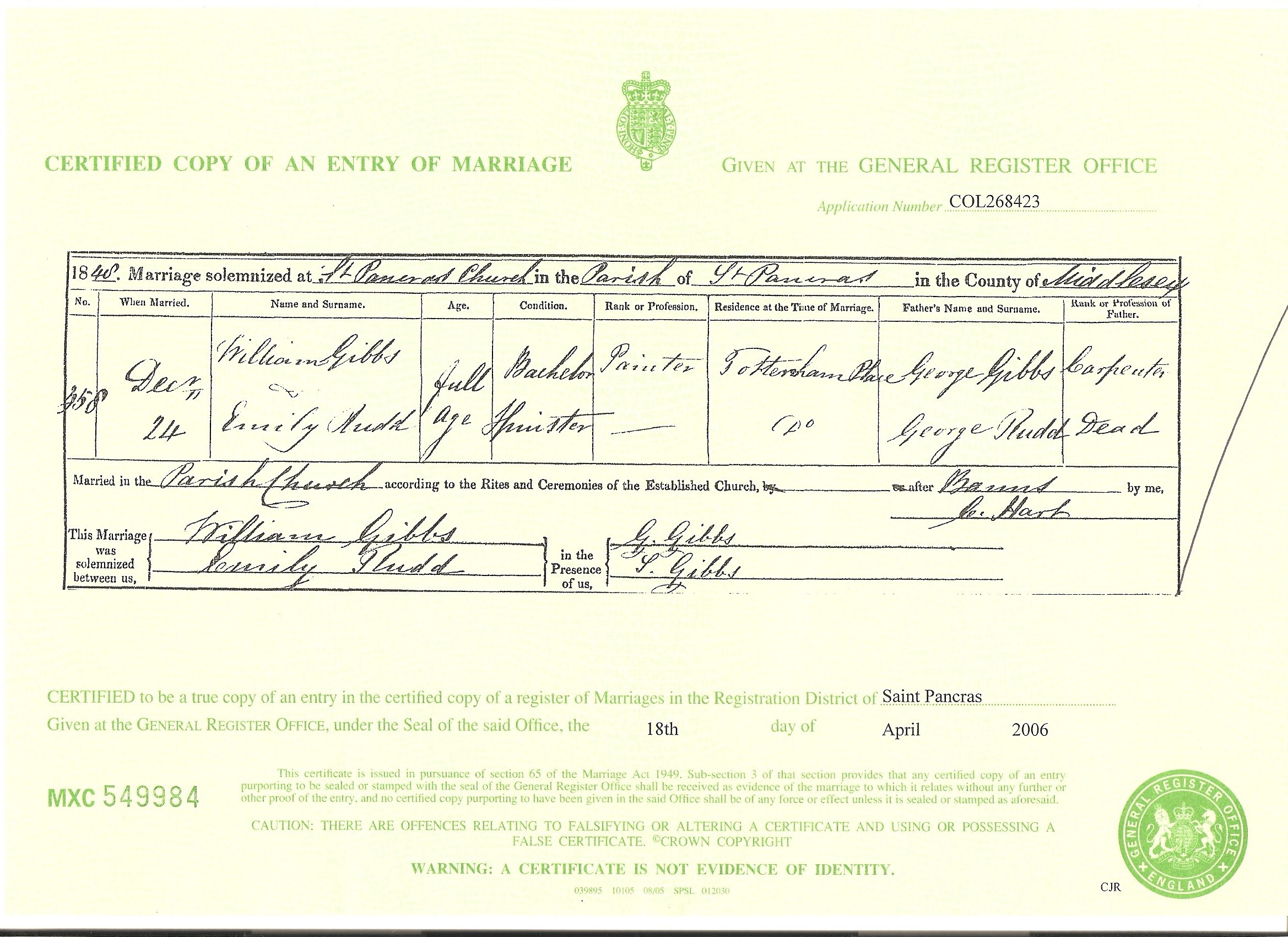
On 1 December 1852, the Hobarton Guardian published the approved "Convict Permission to Marry" notice: "George Gibbs; Ship: 'Rodney' X Susan Miller; Ship: 'St Vincent'." They married 13 December 1852 in Hobart — a wedding between two convicts in the colonial penal settlement.
Catherine Imilda Gibbs (1866–1889) and John De Renzy Shekleton (1850–1889)
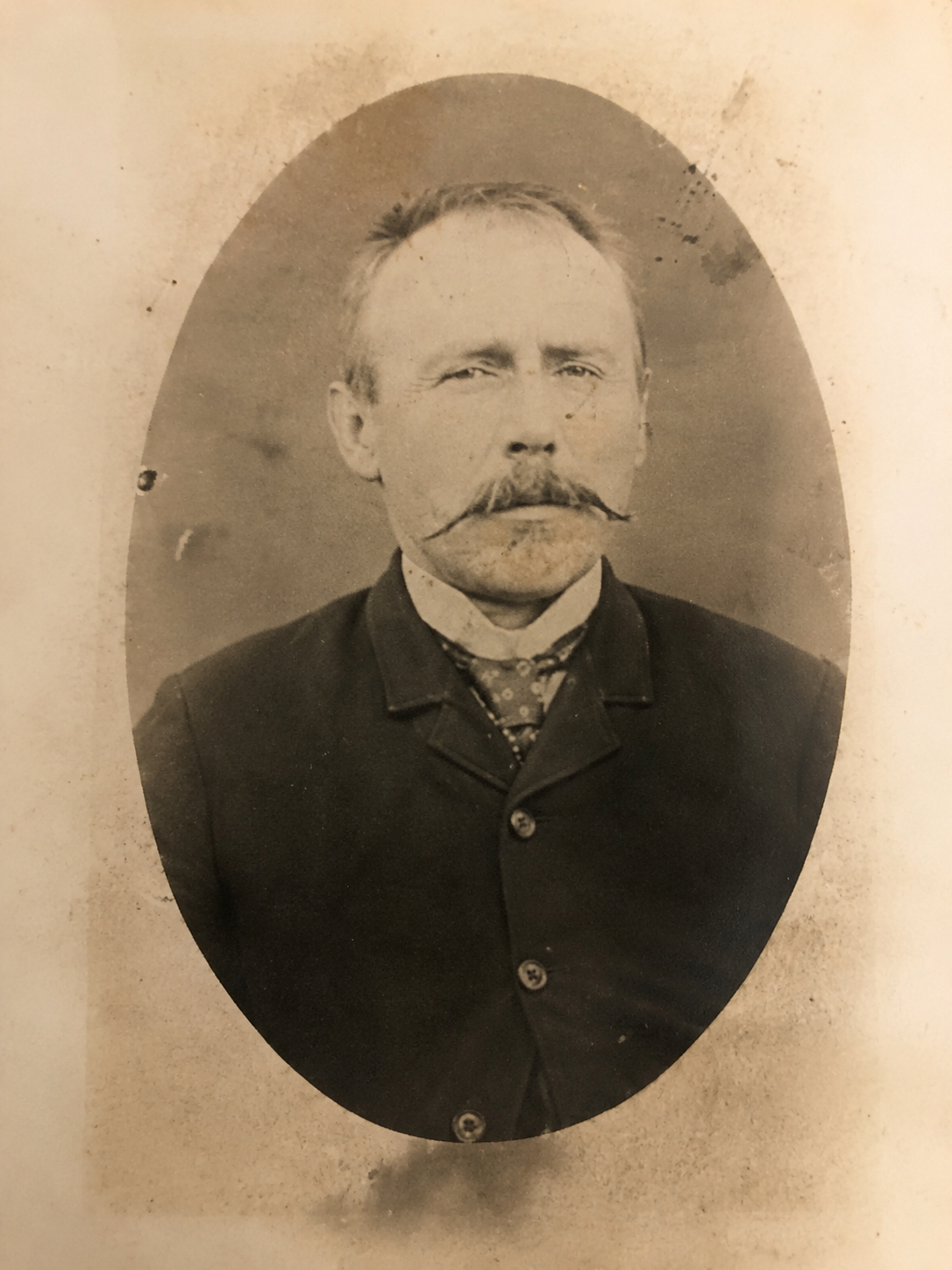

Catherine was born 17 September 1866 at Kempton, Tasmania — a small coaching town where former convicts made up a significant portion of the farming population. In 1888 she married John De Renzy Shekleton (1850–1889), sixteen years her senior. John's parents' marriage register survives from Dublin: John Shekleton, a merchant of 34 William St, married Anne Hope Derenzy of 37 Molesworth St on 18 October 1849 at St Anne's. The Molesworth Street address places the Derenzys in one of Dublin's better Georgian terraces.
The Gibbs family had moved from Tasmania to the Riverina, mirroring a broader pattern as Tasmania's economy stagnated in the 1880s. William Hope Sheckelton was born 1888 at Urana, NSW.
Then, in 1889, both parents died within months of each other. John died 24 October 1889 at Gladesville, Sydney — the site of the Gladesville Asylum for the Insane. Catherine died the same year at Urana; family oral history says she was killed in a horse and carriage accident. A coroner's inquest was held with no remarks recorded. The NSW Government Gazette records a separate inquest on 23 December 1889 for "Catherine Imilda Gibbs, aged 4 and 3/4," who died at Maitland from accidental drowning — an uncommon enough name to suggest a daughter not otherwise recorded.
William, barely twelve months old, was left an orphan.
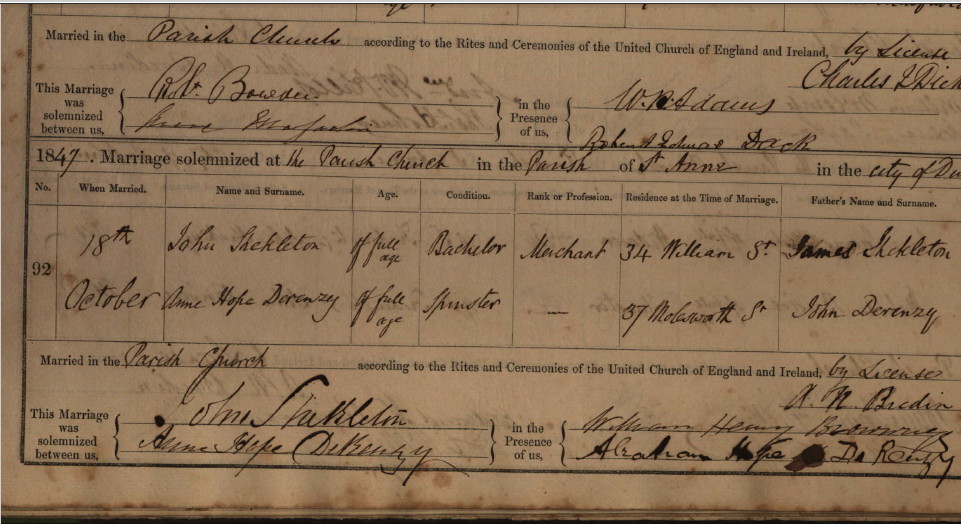
William Hope Sheckelton (1888–1961)

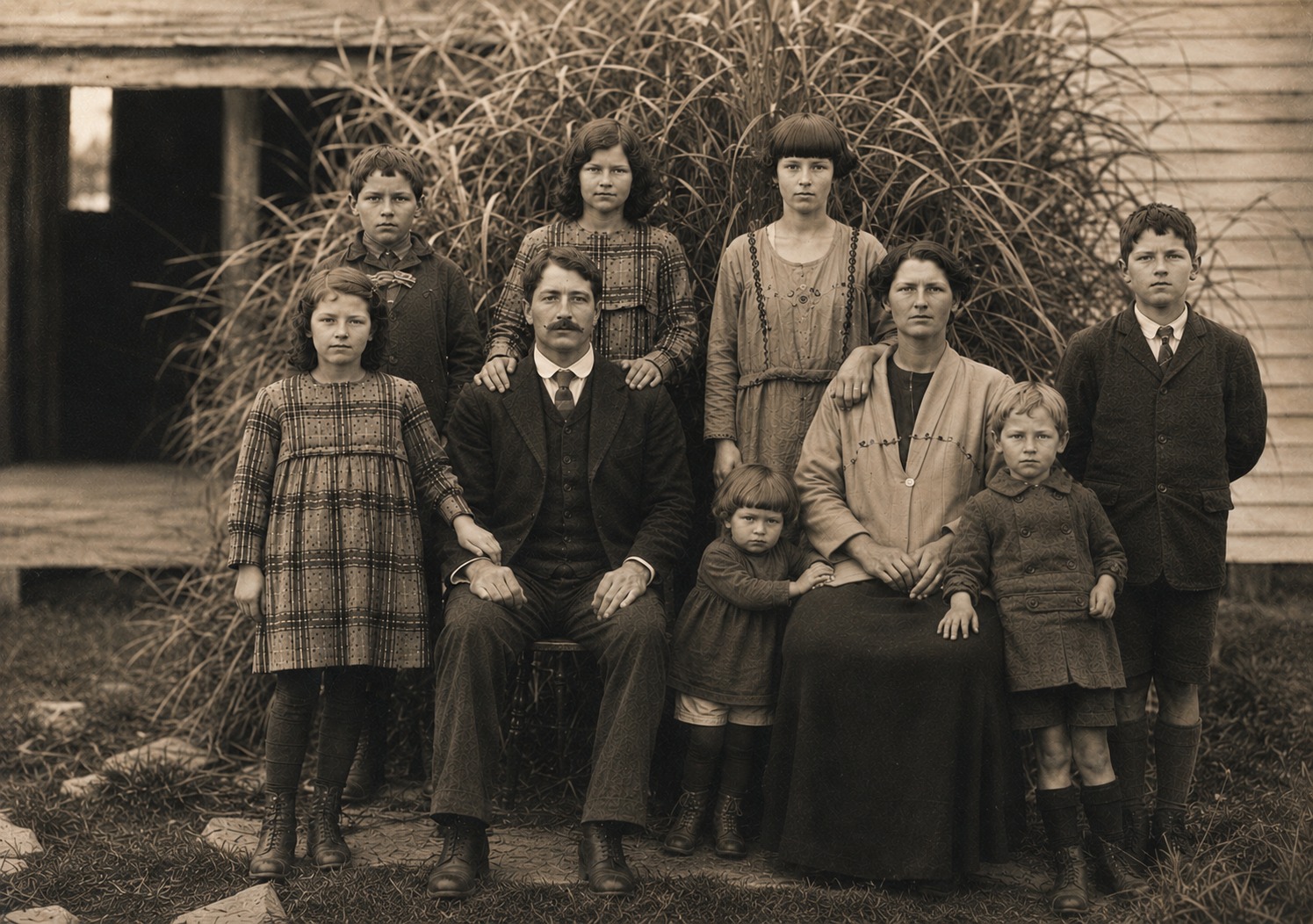
Born 1888 at Urana, NSW. Both parents dead by the time he was one year old. The name "Hope" — from his paternal grandmother Anne Hope Derenzy — was his only inheritance. He was raised in an orphanage from infancy.
He eventually found work on a property in rural NSW, where he met Emma Amelia "Ella" Keenes — who was already married to a George Hall with four children. According to family oral history, Ella "did a runner to Bendigo" with William and her four children, never divorcing Hall. They had four more children together in Bendigo, including Esma May Sheckelton (1919), the youngest. William died 22 March 1961, Bendigo.
In this union, two extraordinary lineages converged. The Shekleton line traces to Irish Protestant gentry — the De Renzy name, the Molesworth Street address, the merchant father. The Keenes line is Prussian Lutheran by way of the Barossa Valley, then by wagon train to Walla Walla. One line shaped by Dublin drawing rooms, the other by German prayer meetings in the bush. Both ended in the same Bendigo household, joined by a man who grew up in an orphanage and a woman who left her husband.